


Frequently asked questions
Quick answers about planning your safari. Ask us anything else.
Tanzania Safaris
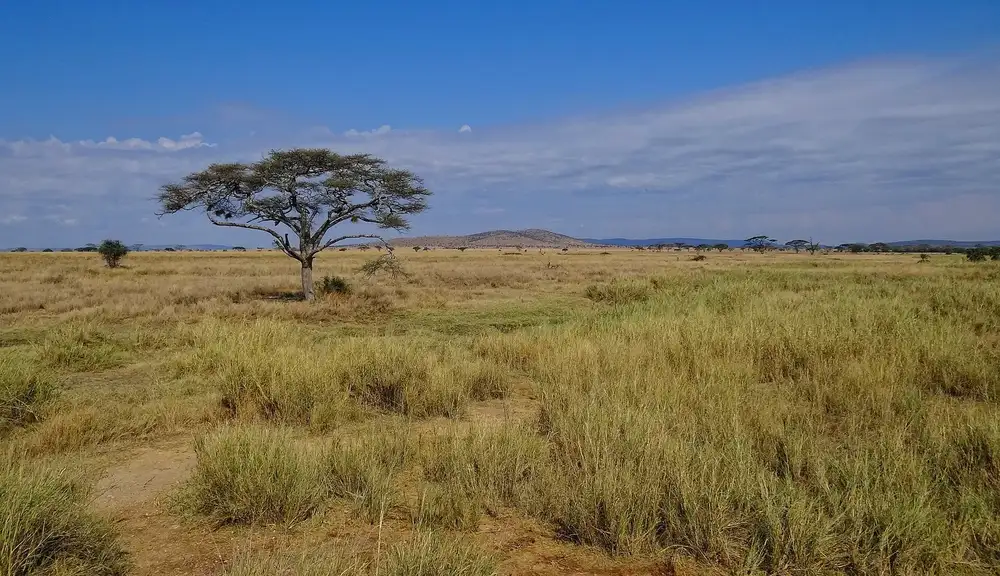
June to October is the dry season and the classic time for game viewing. January and February bring calving in the southern Serengeti, while April and May are the wettest months and some camps close. For the southern parks, July to November is best.
Read moreThree to four days gives you a short taste of the northern parks, and seven to ten days lets you see them at an easy pace. The Serengeti alone deserves at least three nights, and Ngorongoro one or two.
Read moreFor a first safari, most guests choose the northern circuit: the Serengeti for big cats and the Great Migration, Ngorongoro Crater for its dense wildlife, Tarangire for elephants and baobabs, and Lake Manyara for birdlife. Nyerere and Ruaha in the south suit travellers who want somewhere quieter.
Read moreYes, it is a popular combination. Scheduled flights connect Arusha and Kilimanjaro with Zanzibar, so you can go straight from the parks to the beach.
Read more

Booking and Payments
Send us a quote request with your dates and interests. We send a full programme and price, then a contract and invoice once you are happy. When your deposit arrives, we reserve your safari and send your confirmation letter.
- 1Request a quote
- 2Confirm your itinerary
- 3Pay the deposit
- 4Receive your booking confirmation
A deposit of 30% of the total programme cost secures your booking, and reservations cannot be made without it. The balance is due 30 days before your trip starts. If we cannot provide the services you asked for, the deposit is refunded immediately.
Read more30%Deposit to book70%Balance, 30 days before your tripOur booking terms set out payment by bank transfer to our company account: the deposit when you receive your invoice, and the final payment 30 days before departure. If you would like to pay another way, please ask your consultant.
Read moreYou can cancel a confirmed trip at any time by email or through our website. The fee depends on how close to departure you cancel, as shown here, and a US$50 administration charge and bank charges may also apply. Cancellation insurance is compulsory.
Read more- 90+20%
- 30–6030%
- 14–2975%
- 7–1395%
- 0–6100%

Kilimanjaro
Kilimanjaro is a trek rather than a technical climb, so you need no climbing skills, but you do need to be fit. At 5,895 metres there is about half the oxygen of sea level, and altitude is the main reason people turn back. Longer routes give your body more time to adapt.
Read moreMachame (6 to 7 days) is a scenic choice, Lemosho (7 to 8 days) gives more time to adapt, and the Northern Circuit (8 to 9 days) is the longest and most gradual. Marangu is the route with huts, and Umbwe suits experienced, very fit trekkers.
Read moreWe provide tents or huts, mattresses, camp equipment, meals and hot drinks, and a porter carries your duffel bag up to 15 kg. You bring boots, warm clothing, a sleeping bag and a day pack. Some items, such as sleeping bags and poles, can be rented.
Read more
Zanzibar
You can take the ferry from Dar es Salaam or a scheduled flight. We can include either one in your travel plan.
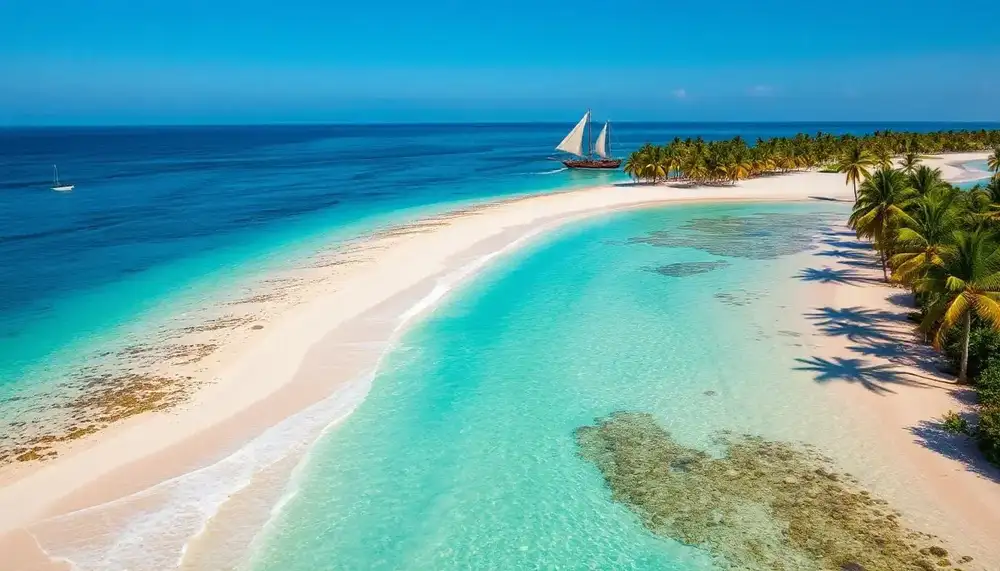
Read moreNungwi and Kendwa in the north are swimmable at all tides, with sunset views. Paje and Jambiani on the east coast have wide beaches and kitesurfing, though the tide goes far out. Kizimkazi and Michamvi in the south are quieter.
Read morePopular choices include a Stone Town tour, a spice farm visit, Safari Blue by dhow, Prison Island, dolphin tours from Kizimkazi and sunset dhow cruises.
Read more
International Travel
Most visitors need a visa. Many nationalities can get one on arrival or apply in advance through the official e-visa system. Your passport must be valid for at least six months after you leave Tanzania. Rules and fees depend on your nationality and can change, so please check before you travel.
Read moreYes, and it is a condition of booking with us. Your policy should be comprehensive and include cancellation, medical treatment and emergency evacuation. If you are climbing Kilimanjaro, check that it covers trekking at high altitude.
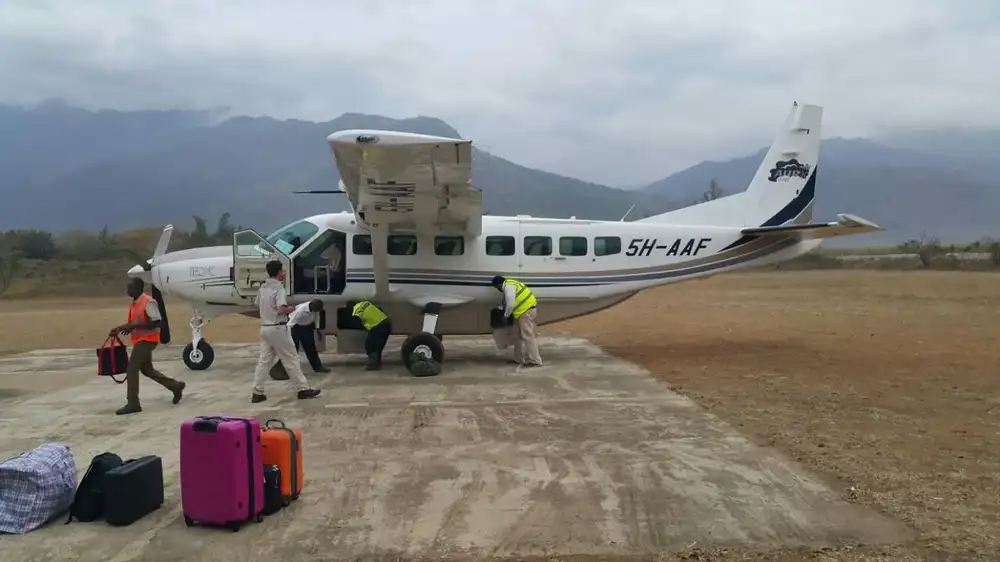
Read moreBring light, washable clothes in neutral colours, a warm layer for early game drives, a sunhat, sunglasses and sunscreen. Use a soft duffel bag, which is required on light aircraft. Plastic carrier bags are banned in Tanzania.
Read morePlease consult your doctor or travel clinic well before departure. Entry to Tanzania minimally requires proof of yellow fever vaccination and anti-malarial medication.

Life on Safari
Yes. Our consultants build safaris around your interests and budget, including for families, honeymooners and professional photographers.
Yes. Our itineraries can be planned around children and our staff are trained to care for kids on safari. Tell us your family's interests when you inquire.
Both are available. We offer a range of accommodation types and standards to suit your interests and budget.
Small. Groups are usually 1 to 7 guests, occasionally up to a maximum of 21. Every guest has a window seat, and we recommend swapping seats each day.
Pack light, washable clothes in light colours, a sweater for early game drives, a sunhat, sunglasses and sunscreen. Women should carry a wrap or kanga (about USD 10 locally) for villages, towns and Zanzibar.
Lodges usually serve buffet meals prepared to western tastes with some local dishes, and our camp chefs cook fresh food on camping safaris. Vegetarian and diabetic meals can be arranged with advance notice.
We provide one litre of bottled water per guest per day, and more is on sale at lodges and camps. We recommend drinking only bottled or treated water.
We send a rescue vehicle within 2 to 4 hours, depending on your location, and your guide works to make up the lost time. If needed, a flying-doctors evacuation (on request) or a transfer to a nearby lodge can be arranged.
Still have a question?
Ask our safari assistant, or message a consultant directly.