


Zanzibar holidays & experiences
White-sand beaches, historic Stone Town, spice farms and dhow cruises, on their own or after a safari.
Explore the places to visit, choose a coast and a hotel category, and add the island to your safari or plan it as a holiday on its own.
Places and experiences
 Stone TownA UNESCO World Heritage SiteWinding alleys, carved doors and the history of the Swahili coast.View itinerary
 Spice FarmZanzibar, the Spice IslandTouch, smell and taste clove, nutmeg, cinnamon and vanilla.View itinerary
 Prison IslandChanguu Island and its giant tortoisesA short boat trip from Stone Town to giant tortoises and clear water.View itinerary
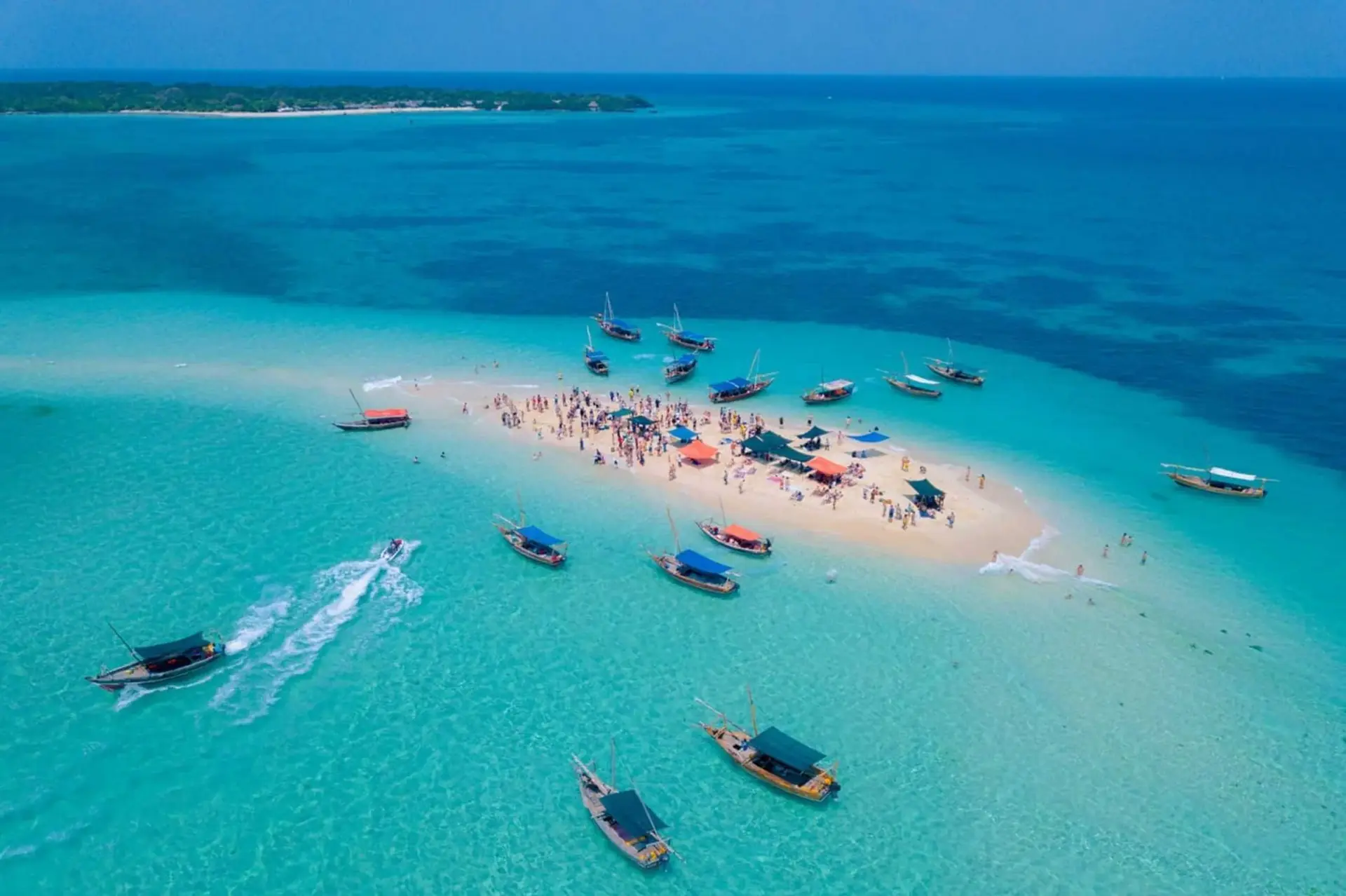
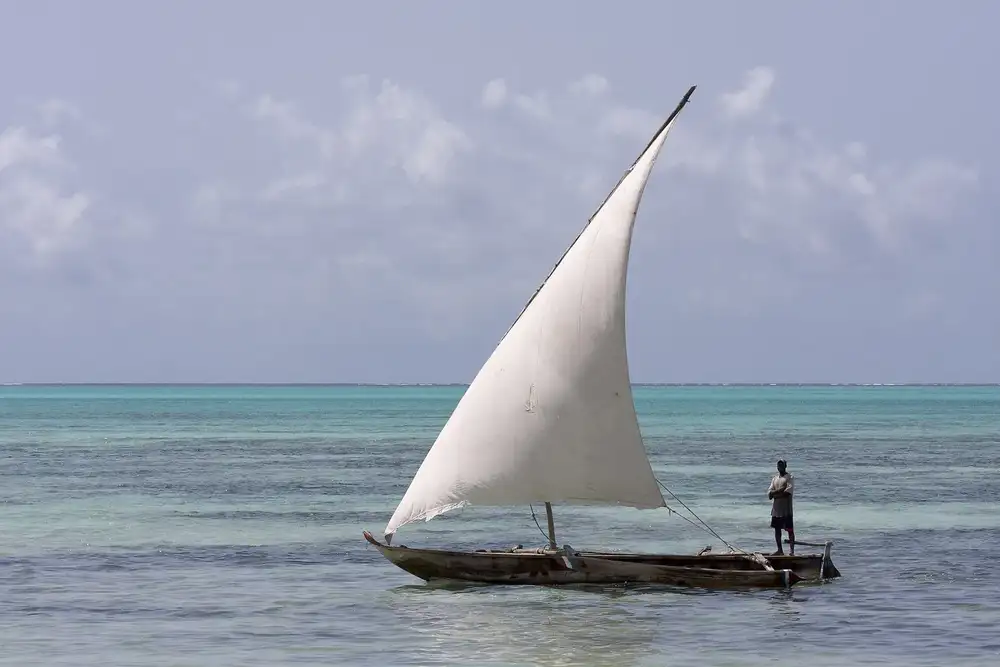 Safari BlueA full-day dhow trip from FumbaSandbank, snorkelling and a seafood lunch under the sail.View itinerary
 Nungwi and KendwaBeaches in the far northWhite sand, swimmable water at all tides and sunset dhow cruises.View itinerary
 KizimkaziDolphins and a historic mosque in the southA fishing village known for dolphin tours and a 12th-century mosque.View itinerary
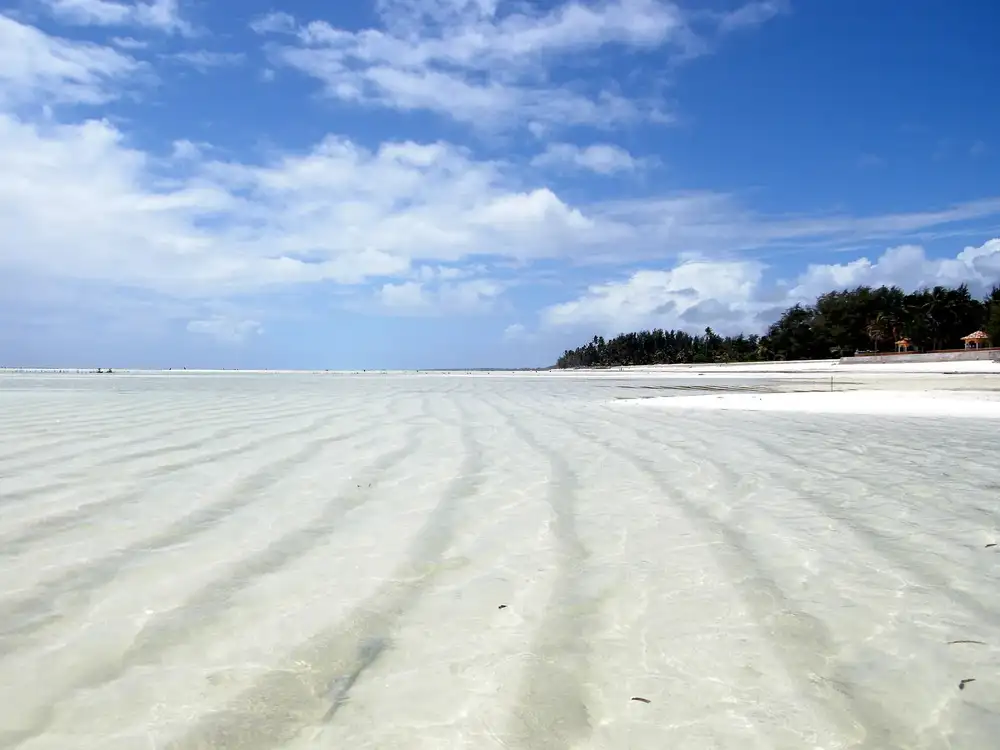 PajeKitesurfing and tidal flats on the east coastWide beaches, steady winds and a relaxed, active atmosphere.View itinerary
Where to stay
- North (Nungwi, Kendwa) Swimmable at all tides, lively, with sunset views.
- East (Paje, Jambiani) Wide beaches and kitesurfing. The tide goes far out.
- South (Kizimkazi, Michamvi) Quieter, with dolphin tours and a more private feel.
- Stone Town History, markets and food. A good base for one or two nights.
About the island
Zanzibar is an archipelago in the Indian Ocean, about 35 kilometres off the Tanzanian mainland. The main island, Unguja, is usually just called Zanzibar, and it is a semi-autonomous part of Tanzania with its own history and culture. The island is about 85 kilometres long and 30 to 40 kilometres wide, so most places can be reached by road in an hour or two from Stone Town. The climate is tropical, with warm sea water all year, and the beaches range from lively village shores to quiet, almost empty stretches of sand.
For centuries the island was a trading hub between Africa, Arabia, Persia and India. That history shows in Stone Town's architecture, in the food and in the Swahili culture of the coast. Swahili culture grew from this mix of influences, and you can still feel it in the music, the carved doors and the call to prayer over the rooftops. Food is a highlight: spiced rice dishes, grilled seafood, fresh fruit and the famous street food at Forodhani Gardens in the evening.
Things to do
Beyond the beaches, you can walk the alleys of Stone Town, visit a spice farm, sail on a traditional dhow, snorkel the reefs, swim with turtles in a natural lagoon or take a boat to see dolphins in the south. Many activities depend on the tides, which are large on parts of the coast, so it helps to plan beach time and boat trips with the tide table in mind. Most excursions take half a day or a full day, and they are easy to arrange from your hotel or to book in advance as part of your trip.
Jozani Forest, in the centre of the island, is home to the endemic Zanzibar red colobus monkey, and a boardwalk leads through the mangroves nearby. It makes an easy half-day trip from most beach areas. On a short stay, one or two excursions are usually enough, leaving the rest of the time free for the beach. On a longer stay, you can explore more of the island, for example the quieter south, a sandbank trip or a day on the water with a picnic lunch.
Culture and dress
Zanzibar is a mostly Muslim island, and modest dress is appreciated away from the beach. In Stone Town and in villages, cover your shoulders and knees, and keep swimwear for the hotel and the beach. Respectful dress is part of the island's welcome. A light scarf or a long shirt is easy to carry and useful when you visit a mosque, walk through a village or explore Stone Town. People are friendly and patient with visitors, and a little effort to follow local customs is always appreciated.
During Ramadan, eating and drinking in public during the day is best avoided in town, although hotels and tourist restaurants stay open. A few words of Swahili, such as jambo (hello) and asante (thank you), are always welcome. Ramadan is also a special time to visit, with evening meals, lively streets after sunset and a peaceful atmosphere during the day. If your trip falls during Ramadan, we can advise on what to expect and how it affects opening hours, restaurants and excursions.
Frequently asked questions
When is the best time to visit Zanzibar?
June to October and December to February are the driest and most pleasant months. The coast is best avoided during the heavy rains from March to May.
How do I get to Zanzibar?
By scheduled flights from Arusha, Kilimanjaro or Dar es Salaam, or by ferry from Dar es Salaam. Some international flights also land on the island.
How long should I stay?
Three to seven nights is typical. Four to five nights is a common beach extension after a safari.
Tell us about your trip
Share your dates, interests and budget, and we will reply with a plan built around you.
Plan your safari