

Climb Mount Kilimanjaro
Mount Kilimanjaro rises 5,895 metres (19,341 feet) and is the tallest free-standing mountain in the world. Our guides, porters and support crew handle safety, acclimatization and camp comfort.
Choose your route
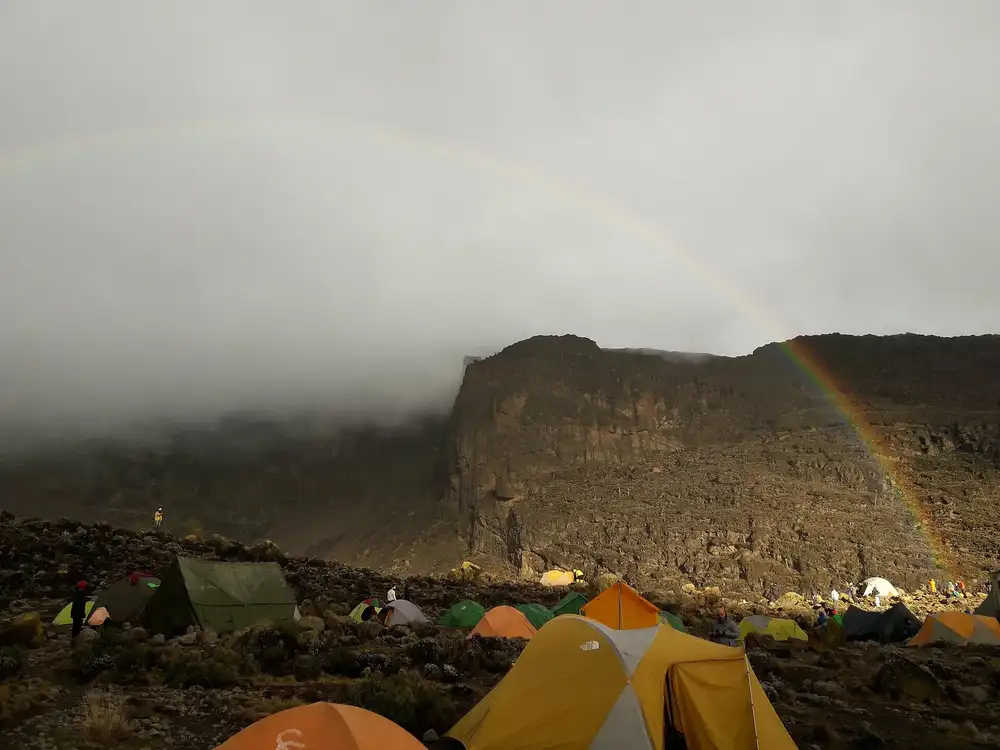 Machame Route 6 to 7 days · TentsThe most popular scenic route, climbing high and sleeping low.View route
  Marangu Route 5 to 6 days · HutsThe only route with sleeping huts, using the same path up and down.View route
  Lemosho Route 7 to 8 days · TentsA long, quiet approach from the west, often called the prettiest route.View route
 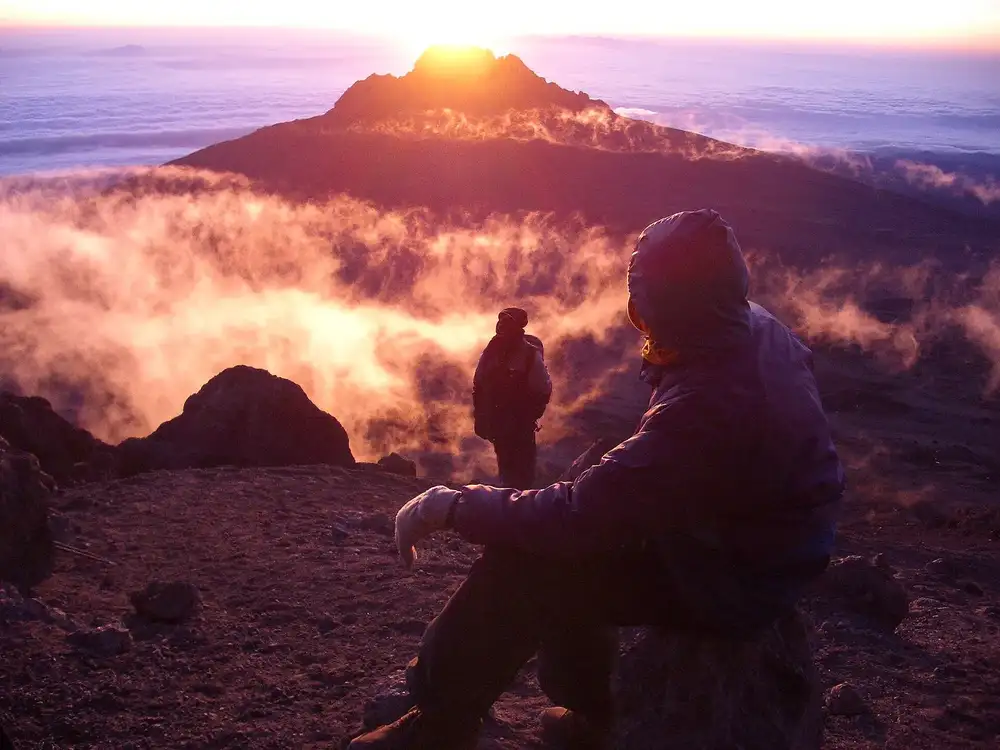 Rongai Route 6 to 7 days · TentsThe only route that approaches from the north, drier and quieter.View route
  Northern Circuit 8 to 9 days · TentsThe longest route, circling the mountain with the best time to adapt.View route
 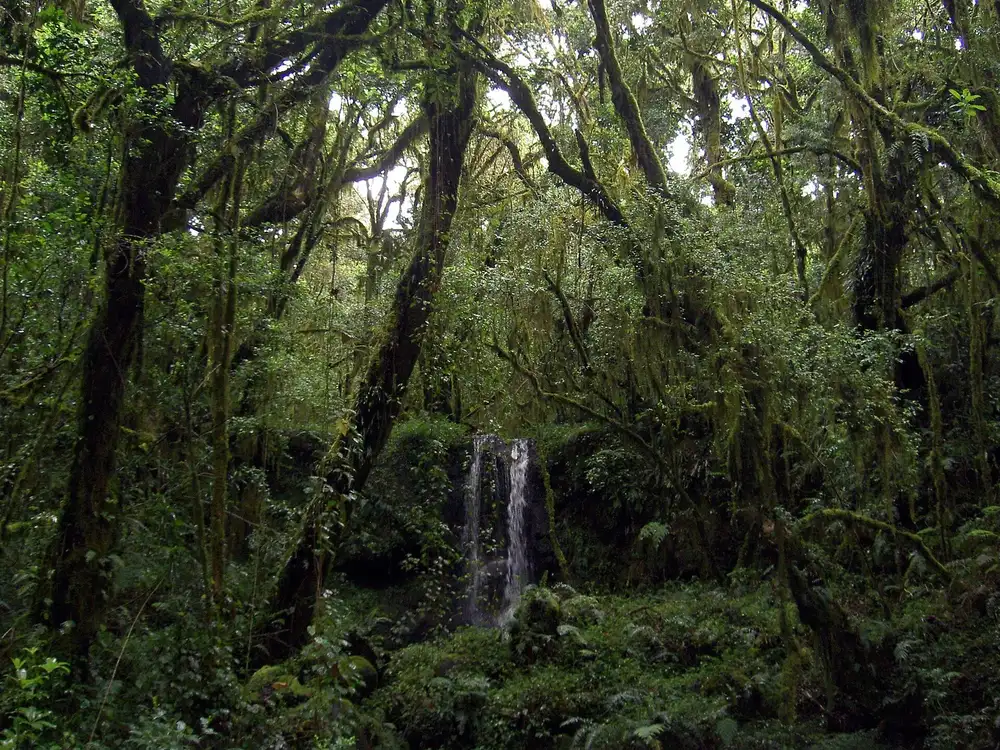 Umbwe Route 5 to 6 days · TentsThe steepest, most direct route, for experienced and fit trekkers.View route
Kilimanjaro preparation
You do not need climbing experience, but you do need to be fit and mentally ready for several long walking days. Walk regularly in the months before, with a day pack and your trekking boots, and include hills or stairs.
- Break in your boots well before you travel
- Practise walking several hours a day on consecutive days
- Have a medical check-up and tell us about any health conditions
- Arrange comprehensive travel and medical insurance
Your consultant sends a full briefing before you travel, and we hold a pre-climb briefing and equipment check on the day before the climb.
Packing list
Layers matter more than any single item. Temperatures range from warm in the forest to well below freezing on summit night.
- Waterproof jacket and trousers
- Insulated jacket and a warm base layer
- Hiking trousers and several quick-drying shirts
- Broken-in waterproof hiking boots and spare socks
- Warm hat, sun hat, gloves and a buff
- Sleeping bag rated for low temperatures
- Headlamp with spare batteries
- Trekking poles, sunglasses and sunscreen
- Water bottles or a hydration bladder
Rental of some items such as sleeping bags and poles is available. Ask your consultant.
Altitude information
Uhuru Peak is 5,895 metres (19,341 feet) above sea level. At that height there is roughly half the oxygen available at sea level, so altitude sickness is the main reason people do not reach the top.
- Go slowly ("pole pole" in Swahili)
- Drink plenty of water
- Choose a longer route for more time to adapt
- Tell your guide straight away about headaches, nausea or dizziness
Symptoms can appear in anyone, regardless of fitness. Your guides are trained to monitor you and will decide to turn back or descend if needed.
Mountain equipment
Tents or huts, sleeping mattresses, camp equipment, meals and hot drinks on the mountain are provided with our climbs, and a porter carries your duffel bag (up to 15 kg).
You bring your personal gear: boots, clothing, sleeping bag and day pack. Rental of some items is available.
Safety
Your safety comes before the summit. Our climbs include emergency oxygen, a first-aid kit and the Flying Doctors service, and your guides check how you are every day.
Comprehensive travel and medical insurance is required for the climb. Please check that it covers trekking at high altitude and emergency evacuation.
Guide and team information
Each climb has a qualified mountain guide, assistant guides, porters and a cook. The size of the crew depends on the size of the group.
Tips for the guide, porters and cook are customary and not included in the price. We explain how it works at the briefing.
Best time to climb
Kilimanjaro can be climbed all year. The main dry seasons are January to early March and June to October. The long rains, from about April to May, bring wet conditions and mist on the lower slopes, but fewer climbers.
Summit night is cold at any time of year. Full moon nights give more light on the final climb.
Frequently asked questions
Do I need climbing skills?
No. Kilimanjaro is a trek, not a technical climb, and needs no special equipment or climbing skills. You do need to be fit.
How many people reach the summit?
On the seven-day Machame route, more than 95% of our participants reach the top, thanks to the extra acclimatisation day and careful planning. Success rates are lower on shorter routes.
Is insurance required?
Yes. Comprehensive travel and medical insurance is required for the climb.
Are tips included?
No. Tips for the guides, porters and cook are customary and are not included in the price.
Can I add a safari or Zanzibar after the climb?
Yes. It is a popular combination, and we plan the full trip for you. See our Safari + Kilimanjaro and Safari + Zanzibar pages.
Tell us about your trip
Share your dates, interests and budget, and we will reply with a plan built around you.
Plan your safari