


Please talk to your doctor or a travel clinic well before departure, ideally six to eight weeks, since some vaccinations need time. This page is general information, not medical advice.
Vaccinations and entry rules
A yellow fever certificate is required for travellers arriving from a country with a risk of yellow fever, so check the current rules for your route. Your doctor may also recommend routine vaccinations and others such as hepatitis A, typhoid and tetanus.
Malaria
Malaria occurs in much of Tanzania. Ask your doctor about anti-malarial medication, and use repellent, long sleeves in the evening and a mosquito net where provided.
Water and food
We provide one litre of bottled water per guest per day, and more is on sale at lodges and camps. Drink only bottled or treated water. Vegetarian and other dietary needs can be arranged if you tell us in advance.
Altitude
The Ngorongoro rim and Kilimanjaro are at altitude. See our Kilimanjaro altitude page.
Sun and heat
The sun is strong near the equator, especially at altitude. Wear a hat and sunglasses, use a high-factor sunscreen and drink plenty of water during game drives. Even on cloudy days, the UV index is high near the equator. Reapply sunscreen regularly, wear sunglasses with UV protection and take breaks in the shade during the hottest part of the day.
Midday heat can be tiring, so many itineraries include a rest at the lodge in the hottest hours. Drinking enough water helps prevent headaches and fatigue, especially on long drives and at altitude. Bottled water is provided in the vehicle, and lodges and camps refill bottles.
A small medical kit
Pack any prescription medicines in your hand luggage, in their original packaging, with enough for the whole trip. Add basic items such as painkillers, plasters, antiseptic, rehydration salts and medicine for an upset stomach. Bring any personal medication in your hand luggage, along with a copy of the prescription. A small kit with plasters, painkillers, antihistamines and hand sanitiser is useful for minor issues.
Guides carry a first-aid kit in the vehicle, and lodges can contact a doctor if needed. Arusha and Dar es Salaam have private hospitals and clinics. In case of illness, lodges can contact a doctor and, if needed, arrange a transfer to a clinic or hospital. Good travel insurance with medical cover is essential.
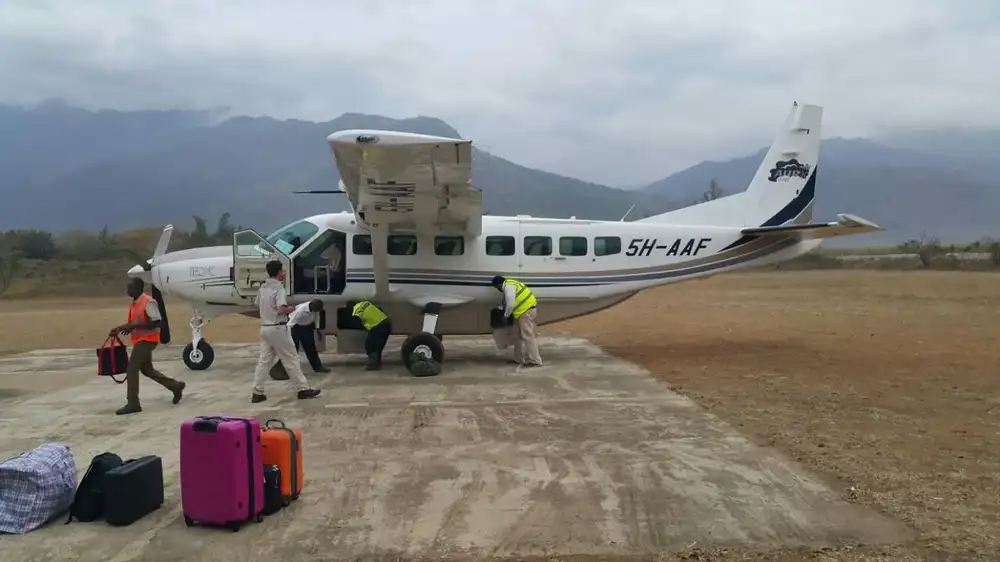 Domestic Flights
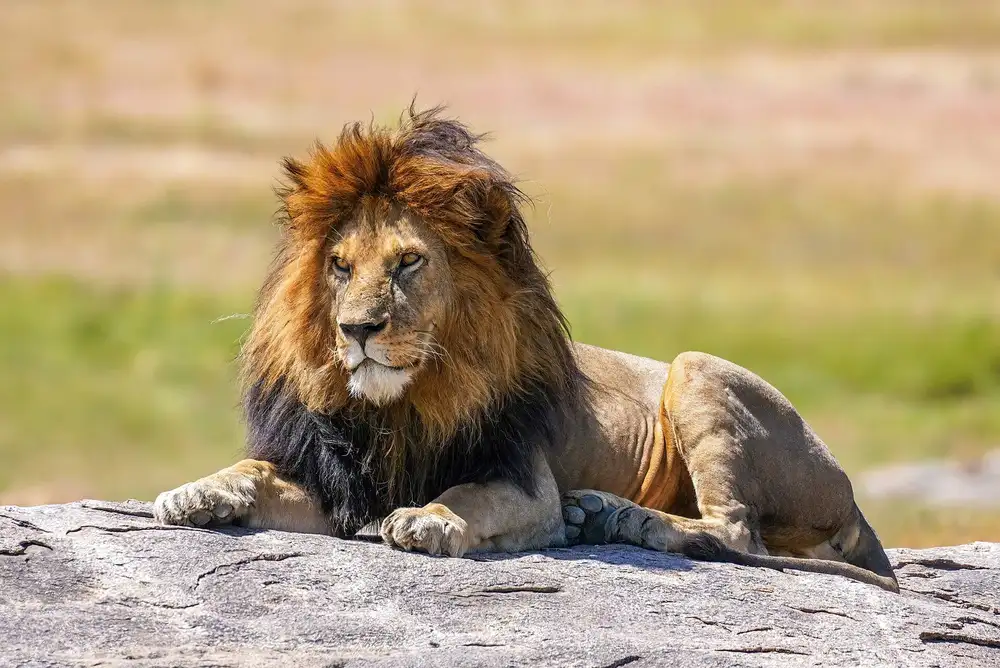 Safari Safety
 Internet & SIM Cards