



가는 방법
응고롱고로는 아루샤에서 차로 반나절 정도 걸리며, 보통 마니아라 호수와 카라투를 거칩니다. 북부 국립공원과 세렝게티를 잇는 자연스러운 연결 지점입니다.

지구에서 가장 놀라운 야생동물 보호구역 중 하나로 '아프리카의 에덴동산'이라고도 불립니다. 국립공원이 아닌 보전 지역으로, 야생동물과 현지 마사이족이 함께 사용합니다.
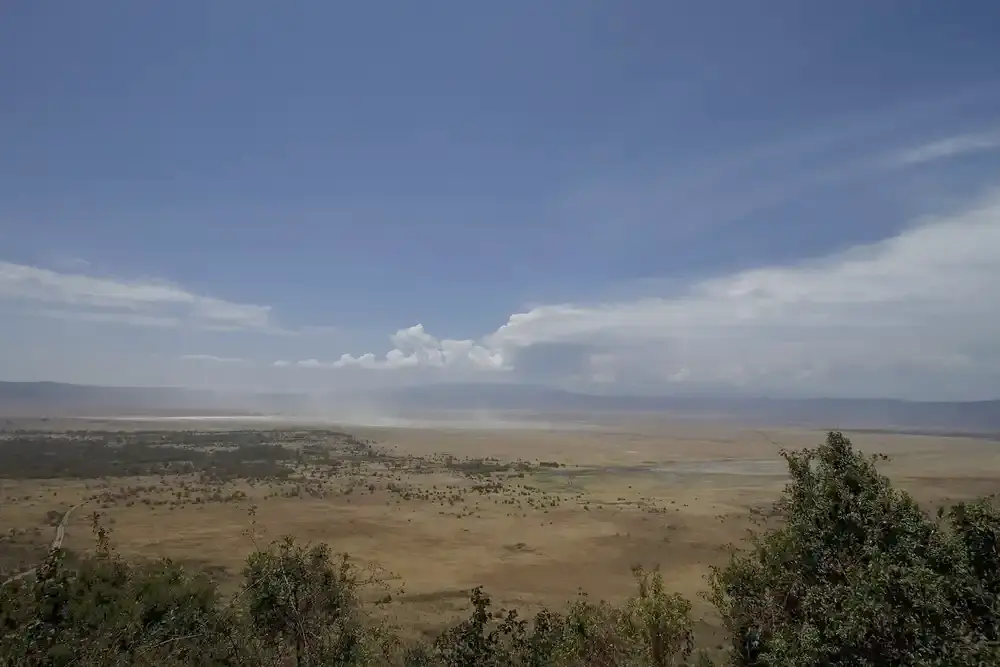
응고롱고로는 세계에서 가장 큰 온전한 화산 칼데라를 중심으로 한 보호 구역으로, 바닥 면적이 약 260제곱킬로미터이고 약 600미터 높이의 벽으로 둘러싸여 있습니다. 유네스코 세계유산입니다.
국립공원과 달리 이 지역은 야생동물, 마사이, 그들의 소 떼가 함께 사용합니다. 분화구 가장자리는 해발 약 2,300미터여서 저녁에는 서늘합니다.
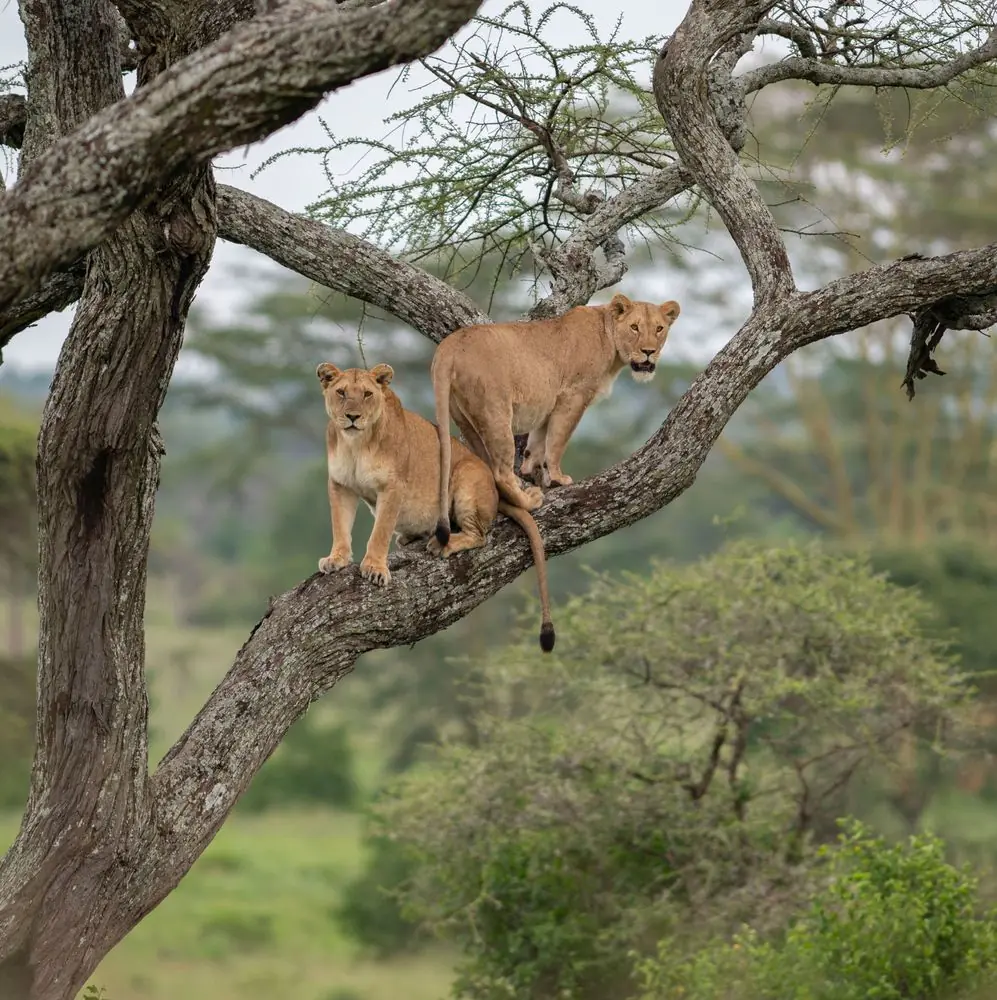
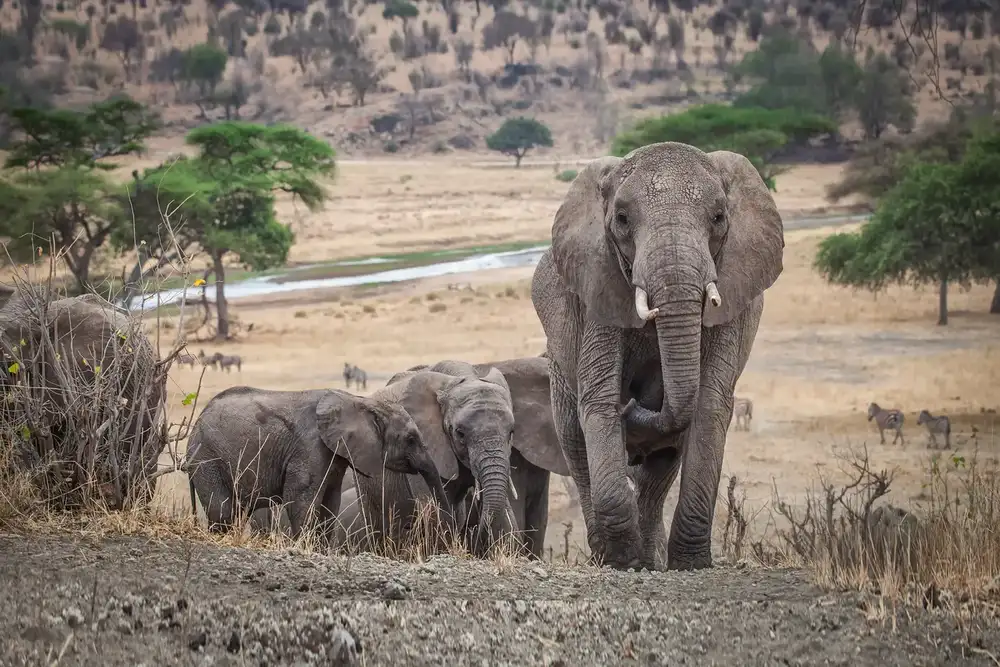
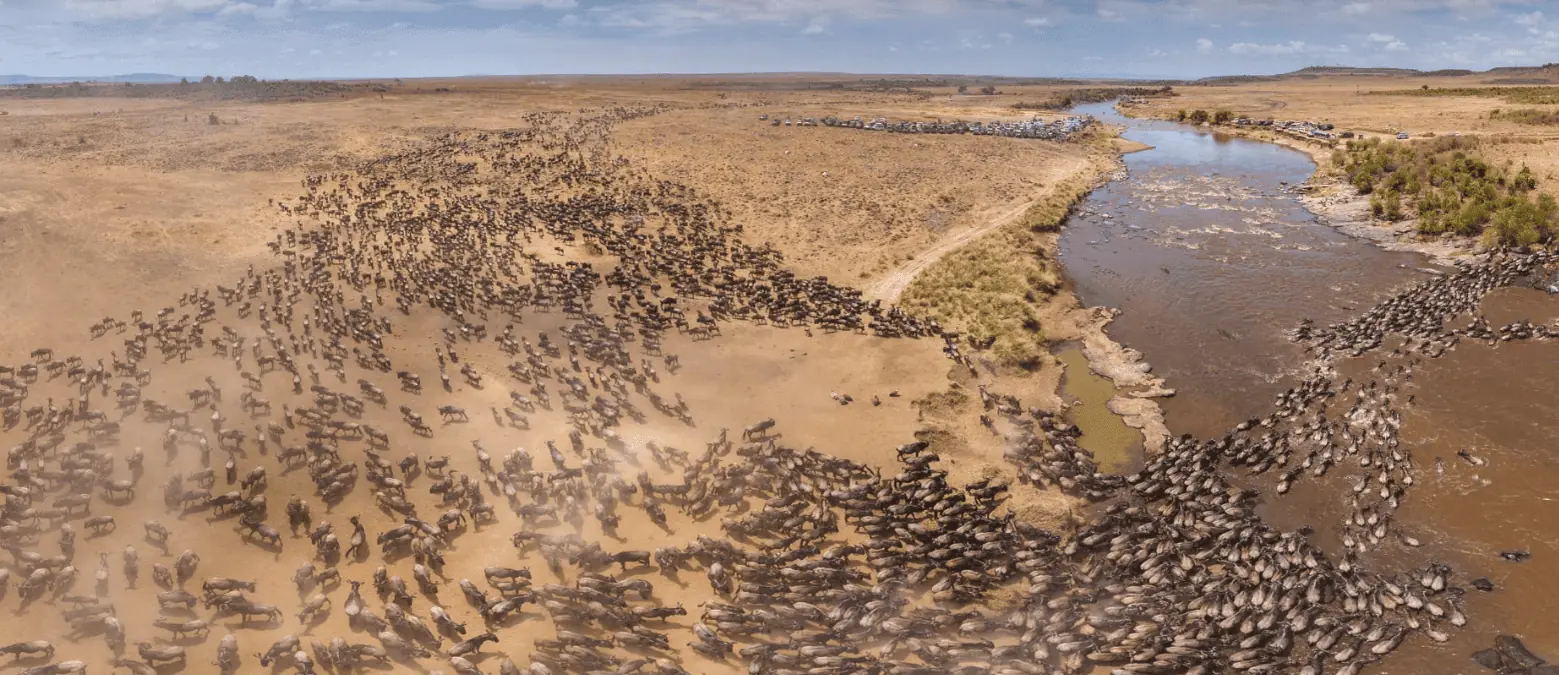
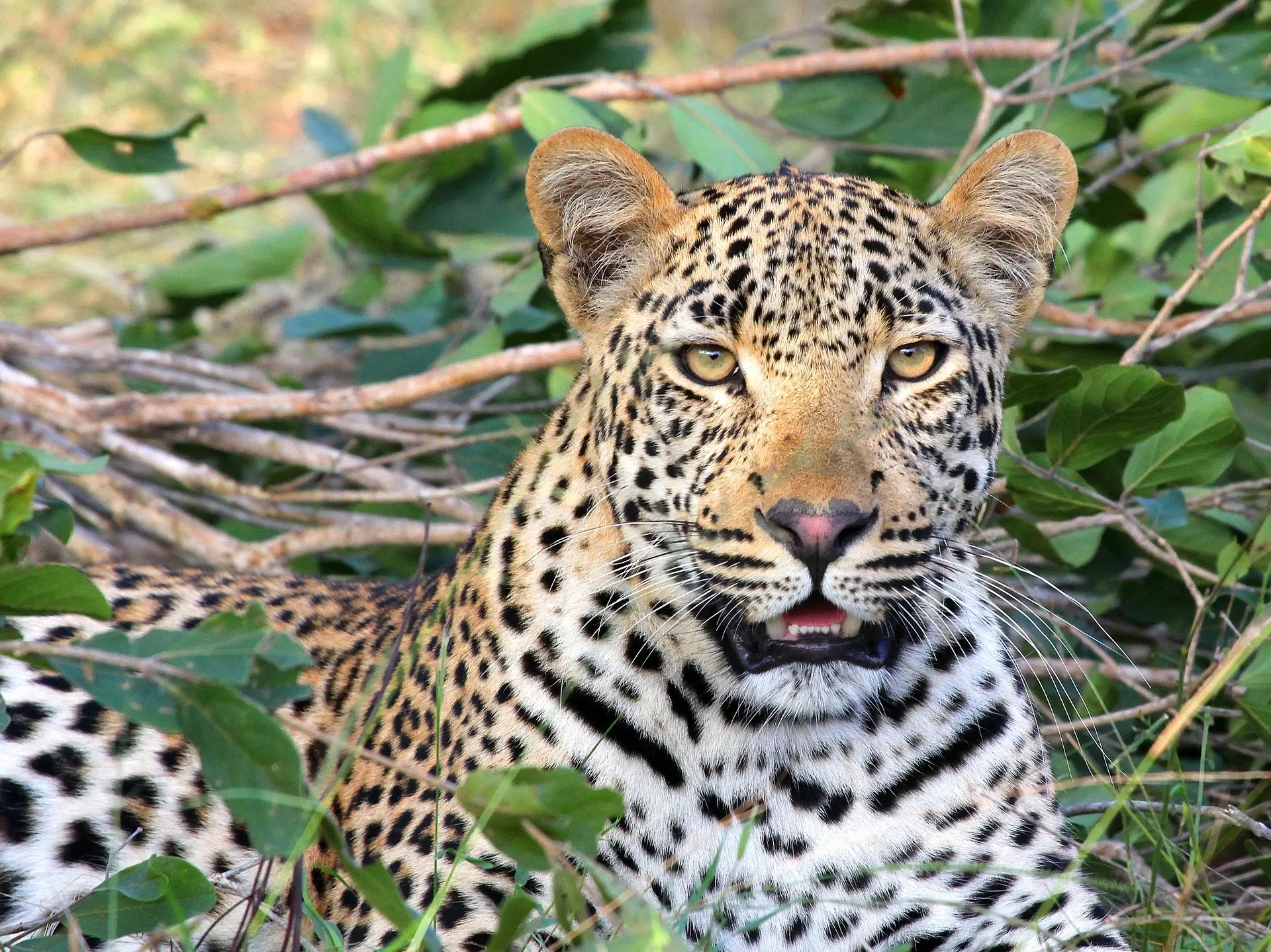
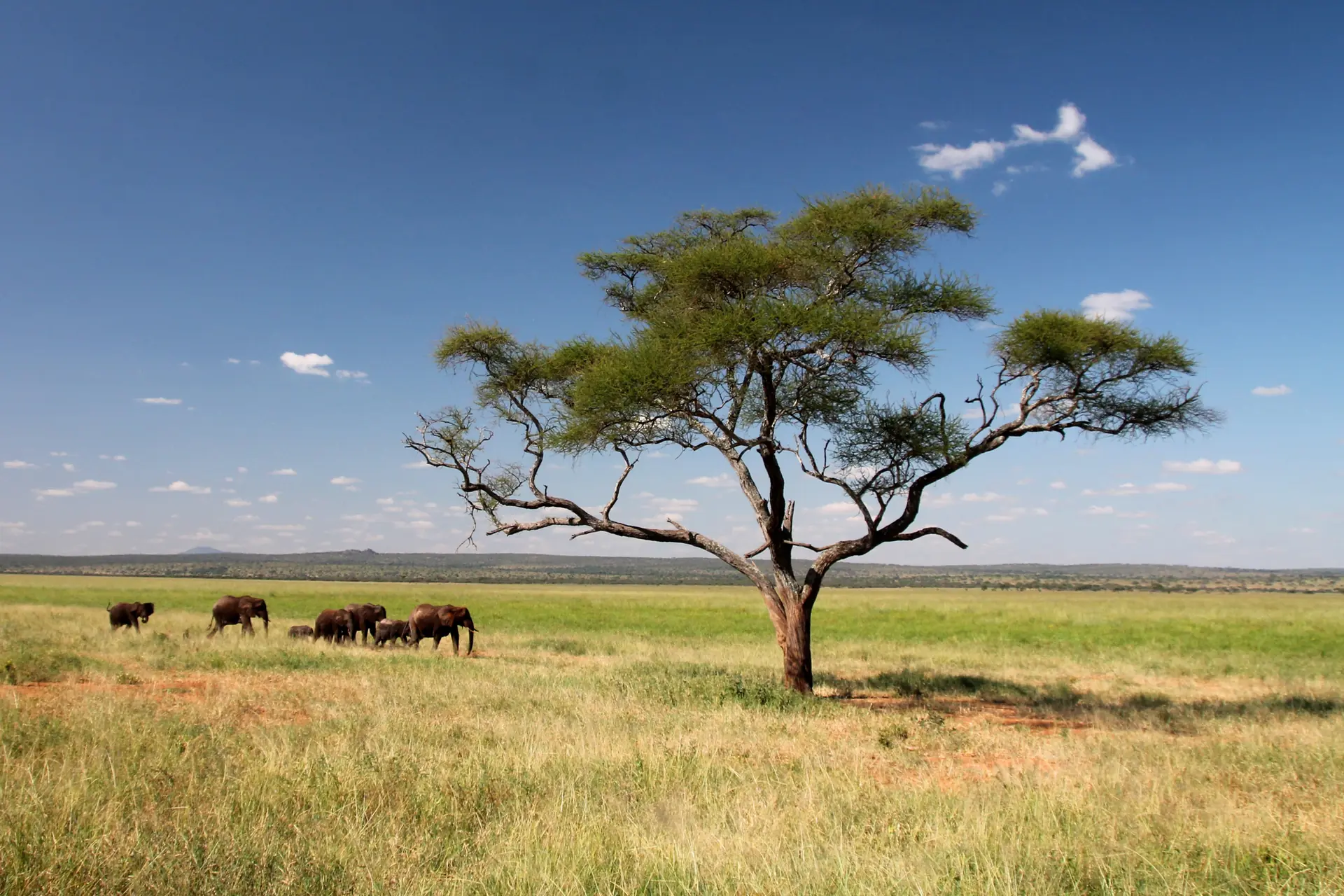
분화구 바닥에는 좁은 지역에 야생동물이 빽빽하게 모여 있습니다. 사자, 점박이하이에나, 코끼리, 버팔로, 하마, 누, 얼룩말, 마가디 호수의 플라밍고, 그리고 탄자니아에서 검은 코뿔소를 볼 가능성이 가장 높은 곳 중 하나입니다. 기린은 분화구 안에 살지 않습니다.
분화구는 일 년 내내 방문할 수 있습니다. 6월부터 10월의 건기에는 길과 전망이 가장 선명하고, 우기에는 더 푸르고 한적합니다. 가장자리는 연중 언제든 아침에 안개가 끼고 추울 수 있습니다.
롯지는 칼데라가 내려다보이는 분화구 가장자리에 있으며, 더 저렴한 숙소는 인근 카라투에 있습니다. 많은 일정에 가장자리 근처에서의 1박이 포함됩니다.
응고롱고로는 아루샤에서 차로 반나절 정도 걸리며, 보통 마니아라 호수와 카라투를 거칩니다. 북부 국립공원과 세렝게티를 잇는 자연스러운 연결 지점입니다.
가장자리에서 1박이 최소이며, 2박이면 더 느긋하게 분화구를 한 번 더 볼 수 있습니다.
차량은 매일 분화구 바닥에 머물 수 있는 시간이 제한되어 있어서 대부분의 방문객은 이른 아침에 내려가 점심 후에 올라옵니다.
가장자리는 춥습니다. 이른 아침과 저녁을 위해 따뜻한 겉옷을 챙기세요.
생각하시는 것을 알려 주시면 솔직한 조언과 맞춤 견적으로 답변드리겠습니다.
이 내용은 영어로만 제공됩니다.
The Ngorongoro Conservation Area is a protected area and a World Heritage Site located 180 km (110 mi) west of Arusha in the Crater Highlands area of Tanzania. The area is named after Ngorongoro Crater, a large volcanic caldera within the area. The conservation area is administered by the Ngorongoro Conservation Area Authority, an arm of the Tanzanian government, and its boundaries follow the boundary of the Ngorongoro Division of the Arusha Region.
The Ngorongoro Conservation Area covers 8,292 square kilometers. It is one of the three divisions that comprise the Ngorongoro District in the Arusha Region. NCA was established in 1959 by the NCA Ordinance No 413 of 1959 as multiple land-use areas, designated to promote the conservation of natural resources, safeguard the interests of NCA indigenous residents and promote tourism. NCA is a unique protected area in the whole of Africa where the conservation of natural resources is integrated with human development
The Ngorongoro Crater is one of Africa’s most famous sites and is said to have the highest density of wildlife in Africa. Sometimes described as an ‘eighth wonder of the world’, the Crater has achieved world renown, attracting an ever-increasing number of visitors each year. You are unlikely to escape other vehicles here, but you are guaranteed great wildlife viewing in a genuinely mind-blowing environment. There is nowhere else in Africa quite like Ngorongoro!
The main feature of the NCA includes the Ngorongoro Crater, The Serengeti Plains that support about 2.0 million migratory wildlife species of the Serengeti Mara-ecosystem (TAWIRI, 2003) and the catchment forest; the Northern Highland Forest Reserve (NHFR) known as ‘Entim Olturot’ in Maa language. Other important features found in the NCA are the archaeological and palaeontological site located at Oldupai Gorge and the early human footprints that were discovered at Alaitole in the Ngarusi area. Because of these particular features and the harmonious co-existence between wildlife and people that has existed for many years, NCA was accorded the status of a World Heritage Site and listed as one of the International Biosphere Reserve by the UNESCO’s Man and Biosphere Reserve Programme.
Frequently called the eighth wonder of the world, Ngorongoro Crater is the biggest unbroken caldera on the planet, and is one of the main places in Africa you can see each individual from the “enormous five” (rhinoceros, lion, cheetah, panther, and elephant) on a solitary diversion drive. One of a kind to Ngorongoro, indigenous tribes are allowed to live in the protection region and neighborhood Maasai touch their domesticated animals on the whole floor in agreement with close-by groups of bison and wildebeest. Strolling is allowed in Ngorongoro Conservation Area however not on the Crater floor.
Ngorongoro crater is one of world’s well-known wildlife–viewing areas and also one of the largest calderas. Within its walls (610 meters deep and an area of 260 sq. kilometers) is a variety of animals and vegetation, including grasslands, swamps, forests, salt pans, fresh water lake and abundant birdlife. Among the animals to be seen there are lions, elephants, buffaloes, black rhino, wildebeests, zebras, gazelles, reedbucks and a fleet of flamingos wading in the shallow-soda “Lake Magadi”. Of remarkable interest, visitors will have a chance to see local Maasai tribe sharing the crater with wildlife as they graze their cattle. Clients spending a day in the Crater (accessible only by 4-wheel-drive vehicles) enjoy tremendous wildlife viewing at close range.
There are no accommodations in the Crater, but several outstanding lodges on the Crater rim offer spectacular overviews and are fine staging locations for game drives into the Crater. Campsites on the eastern slope of the Crater wall also allow superb access to the wildlife. We often place our luxury camps in these locations as bases for clients spending one or more days exploring the Crater floor.
With the Crater as its centerpiece, the surrounding Ngorongoro Conservation Area is a stunning multiple-use region almost as large as the Serengeti. Forested mountains, rugged highlands, smaller volcanic craters, and expansive plains feature spectacular vistas and game viewing, and almost no other tourists. Unlike the national parks, the conservation area is still home to Maasai people who maintain their traditional pastoral lifestyle in harmony with wildlife. Cool temperatures, opportunities to become acquainted with the Maasai, and fantastic hiking make this area ideal for our walking safaris.
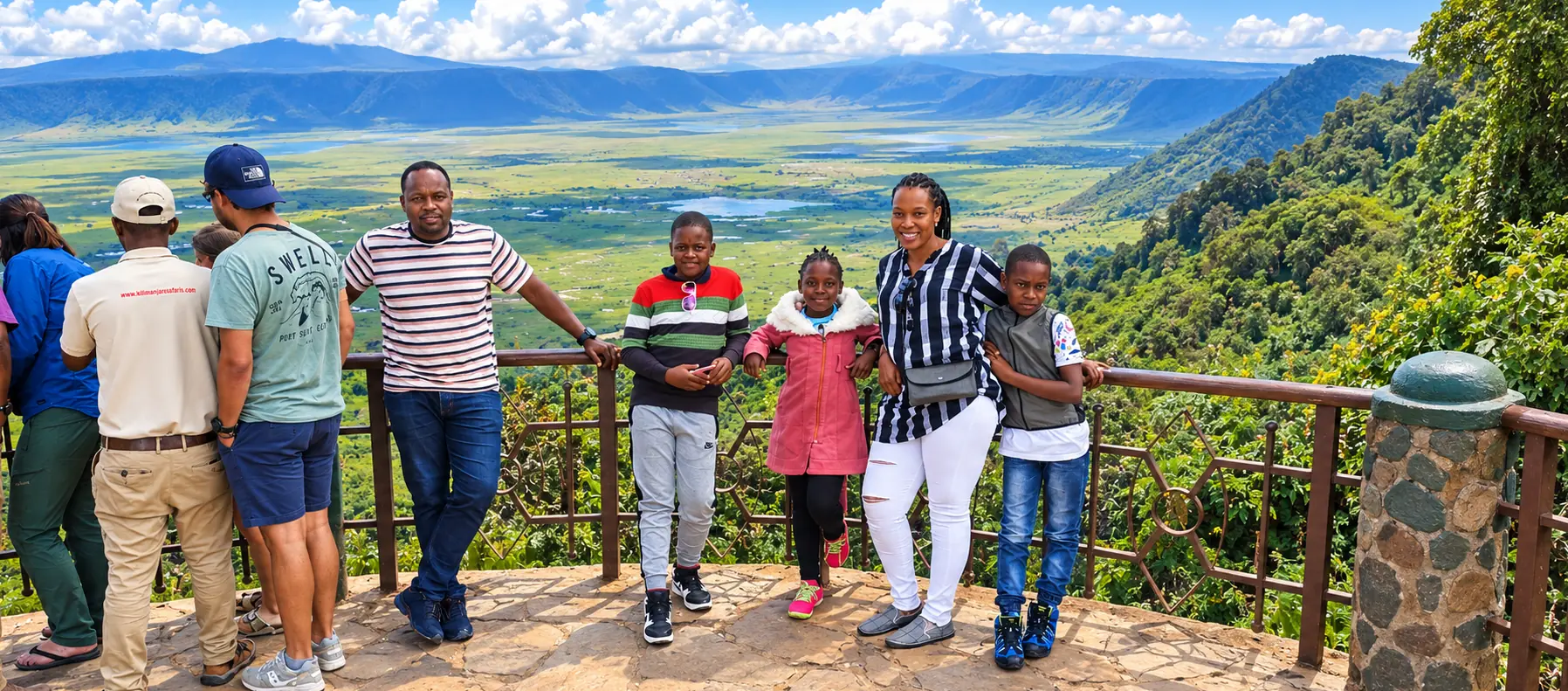
Ngorongoro Crater is located in Northern Tanzania, Arusha Region, Ngorongoro district and it is six kilometers wide with nearly half of its floor is occupied by lake, and its slopes covered by a thick forest.
The crater offers a spectacular scenery from every point along the rim; from the northern and eastern side you can look out to the dramatic volcano of Oldonyo Lengai, the Great Rift Valley and Lake Natron; from the south and west you can see across the Bulbul depression.
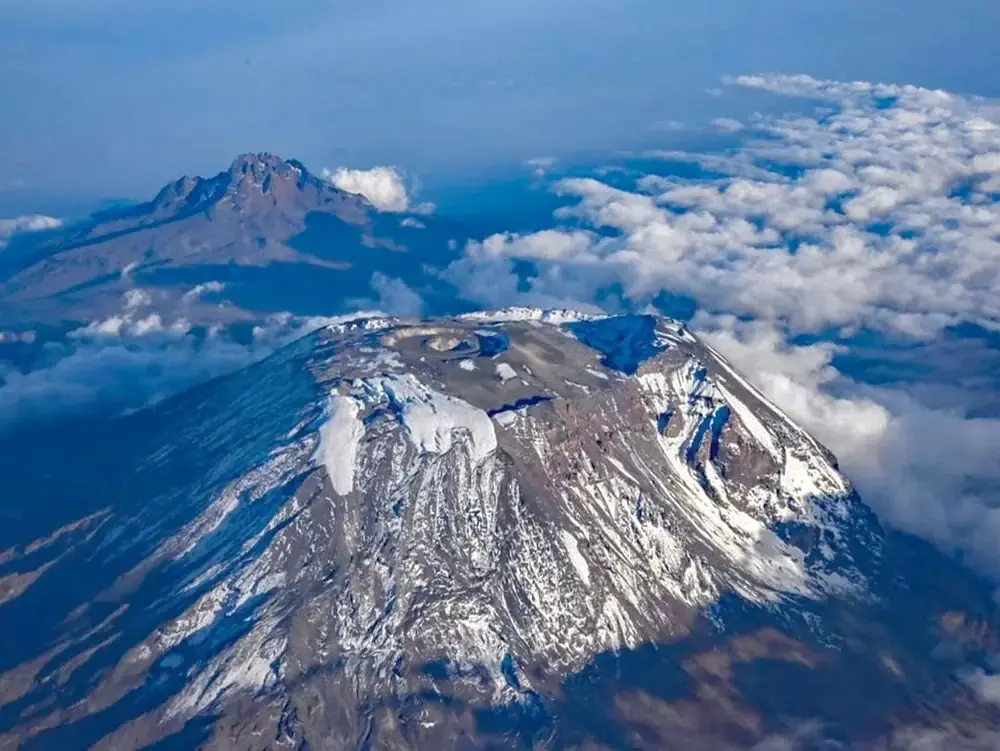
Sometimes you can even see the distant snows of Mount Kilimanjaro far to the northeast. You will definitely enjoy camping on the rim as the view of Lengai and the Rift Valley makes for great photos taking. Camping and hiking into the crater are done with an armed ranger (armed against buffalo). The drive here passes through numerous Maasai villages and small herds of gazelle, wildebeest and dark-toned zebra in a setting. On the way to Empakaai is another seldom visited crater called Olmoti. A notch in it’s rim creates a spectacular waterfall for the Munge river, which pours through on its way to Ngorongoro Crater. There is a very pleasant hike from the Nainokanoka ranger post through the forest up to the top of the waterfall.