
Serengeti-Nationalpark

Serengeti-Nationalpark

Die endlosen Ebenen Tansanias

Weite Savannen und die weltberühmte Große Migration. Die Serengeti ist Heimat der Big Five, und ihr zentrales Seronera-Gebiet gehört zu den tierreichsten Lebensräumen Tansanias.

Über Serengeti-Nationalpark

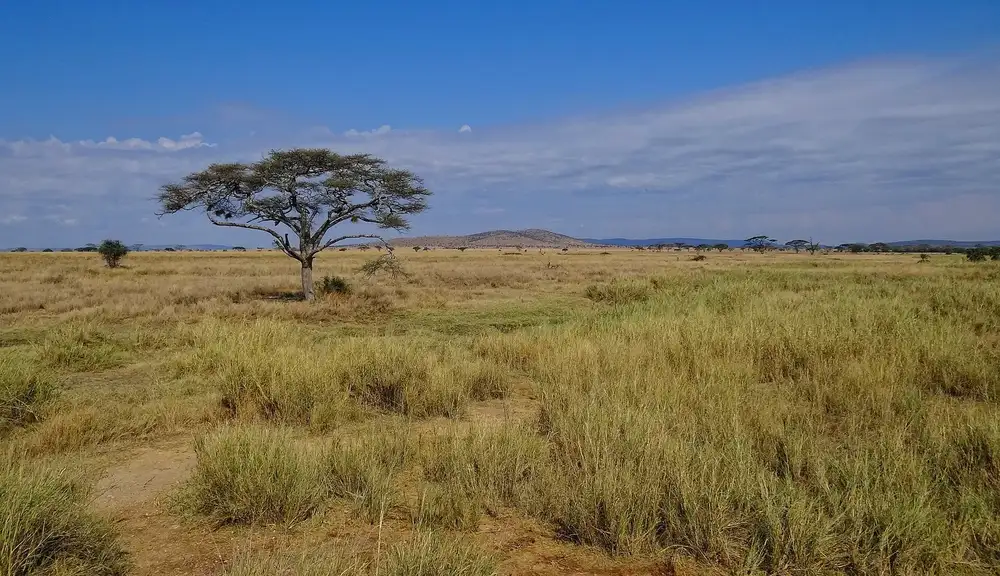
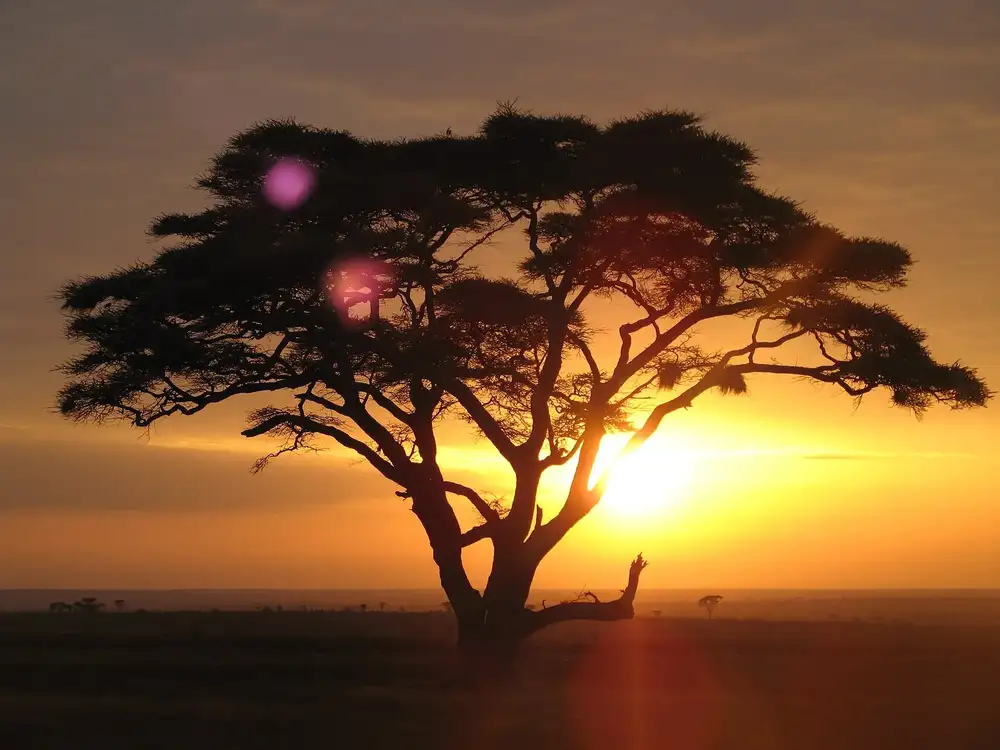
Die Serengeti ist der älteste und bekannteste Nationalpark Tansanias, ein riesiges Ökosystem aus offenen Ebenen, Kopjes, Auwald und Akaziensavanne. Ihr Name stammt vom Massai-Wort für „endlose Ebenen“.

Der Park ist groß genug, um je nach Gebiet und Jahreszeit sehr unterschiedliche Safari-Erlebnisse zu bieten: das zentrale Seronera für Tierbeobachtung das ganze Jahr über, der Süden und Ndutu für die Kalbungszeit, der westliche Korridor und der Norden für die Flussüberquerungen.

Tierwelt

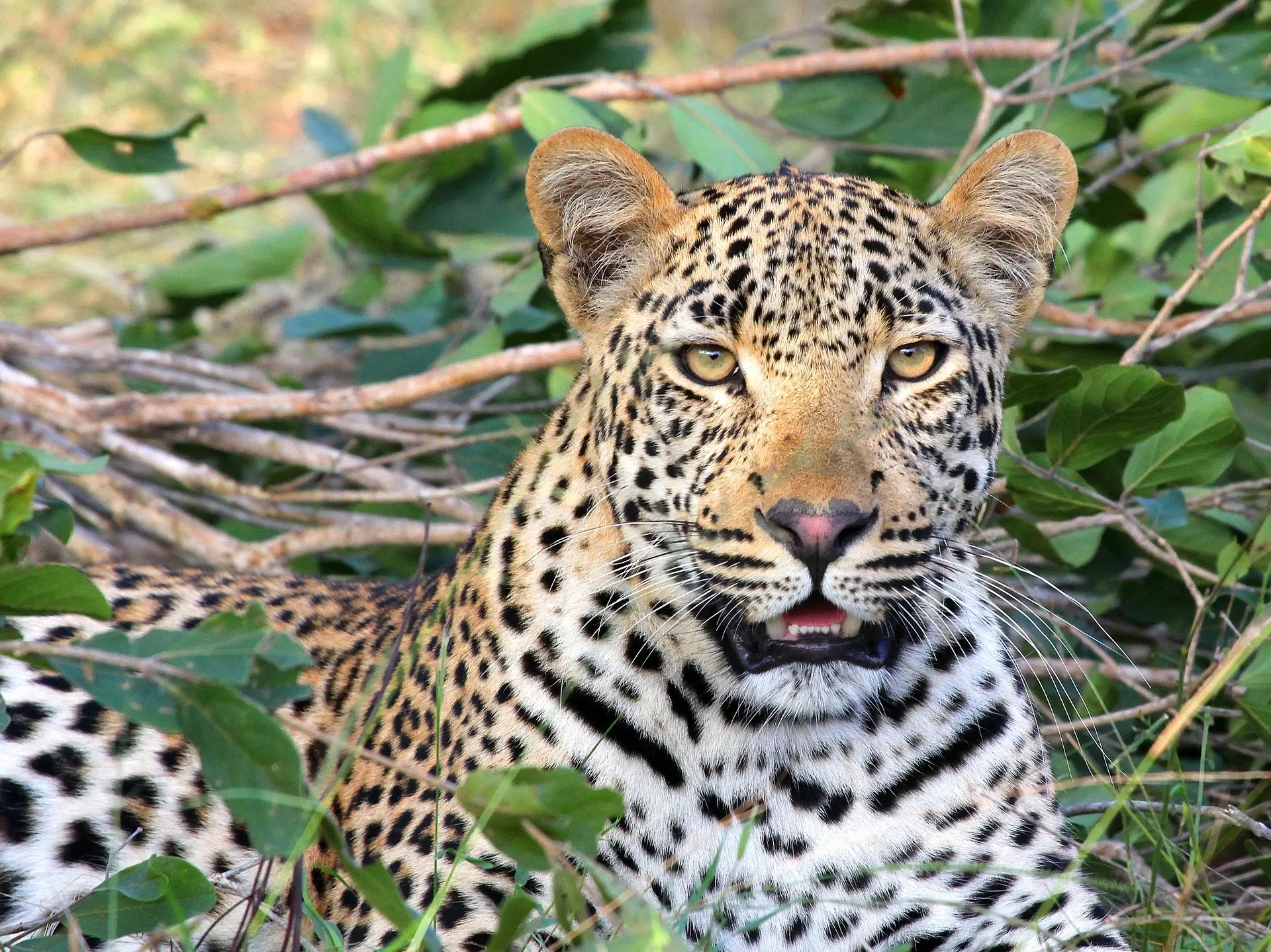
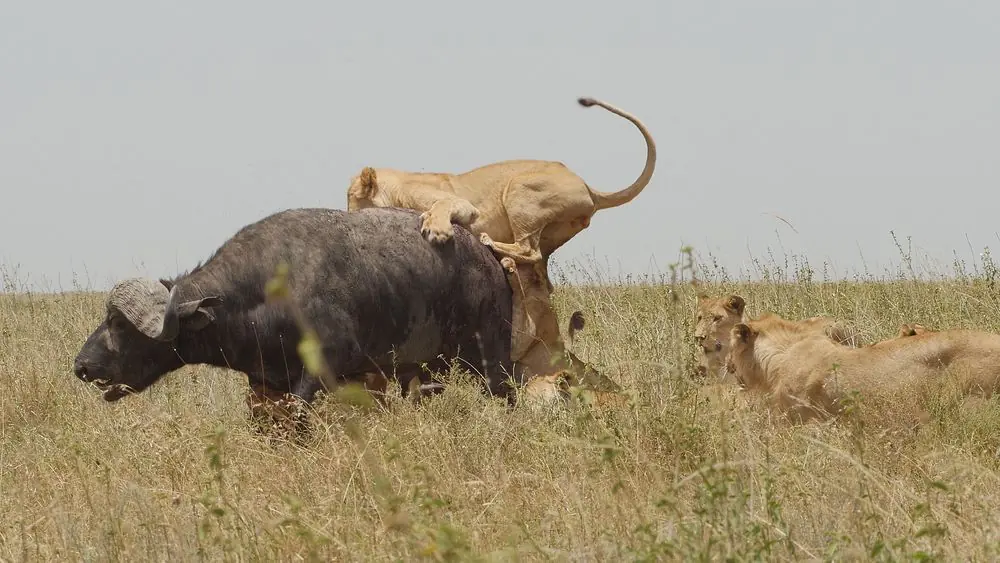
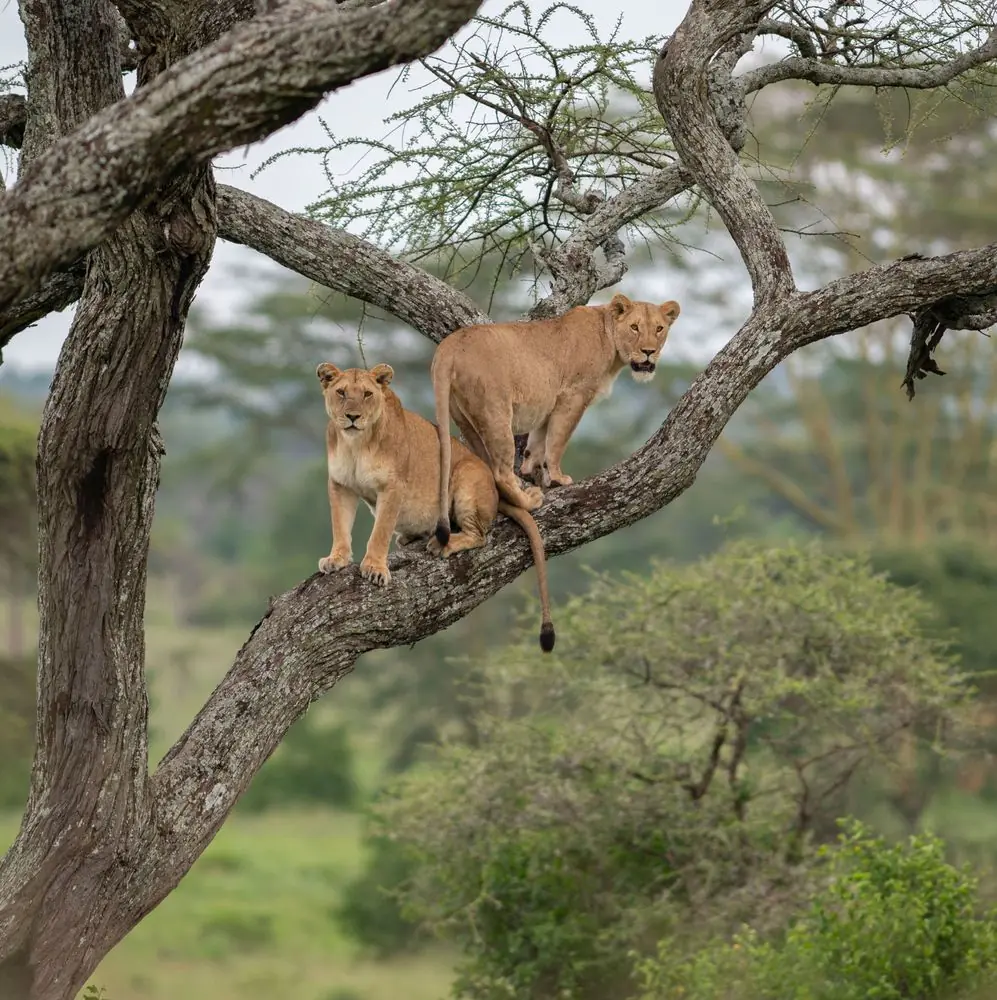
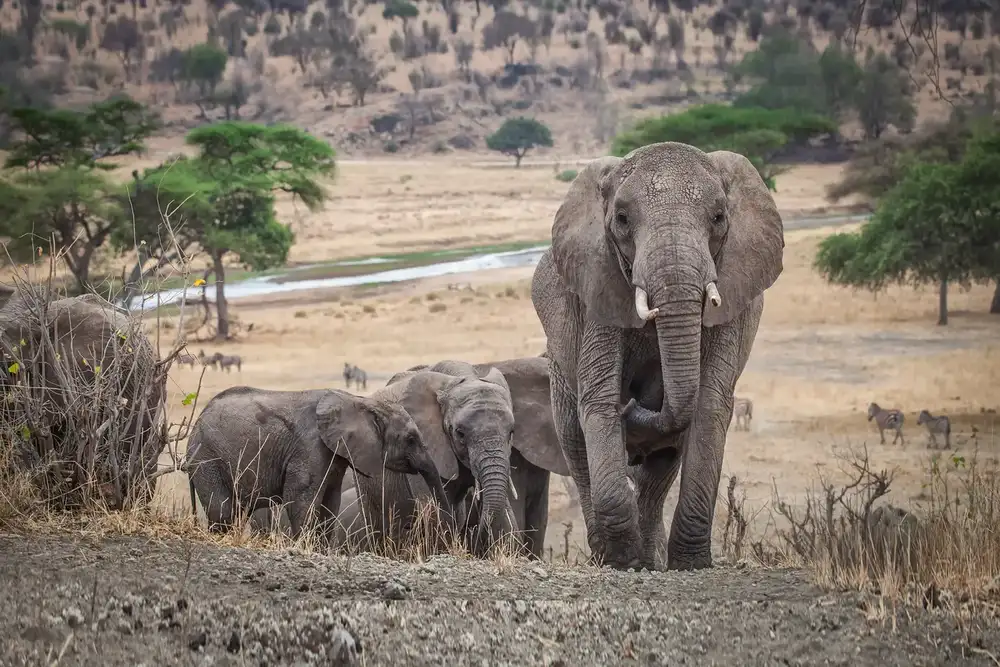
Löwe, Leopard, Gepard, Elefant, Büffel, Giraffe, Flusspferd, Krokodil, Zebra, Hyäne und mehrere Antilopenarten leben hier, dazu mehr als 500 verzeichnete Vogelarten. Das Tal des Seronera-Flusses gehört zu den besten Orten Tansanias, um Großkatzen zu sehen.

Große Migration

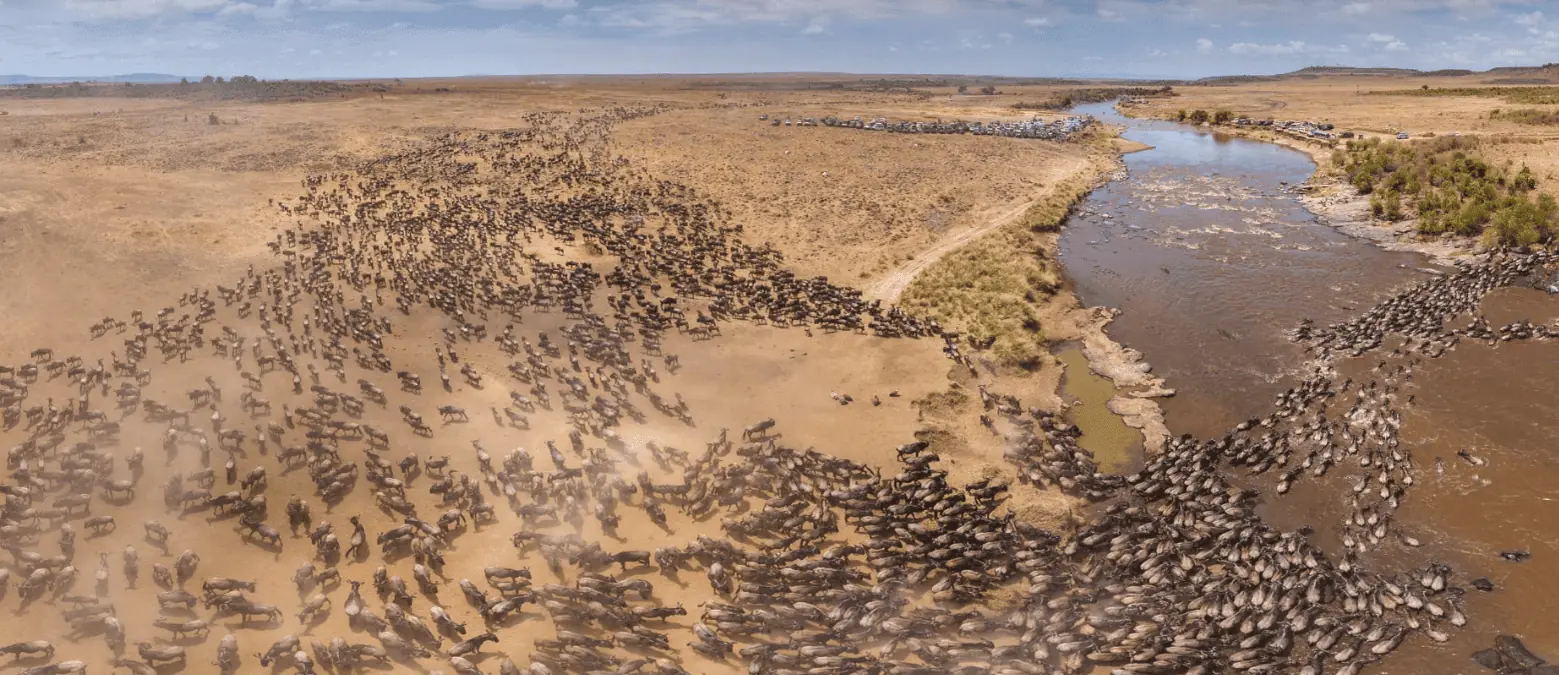
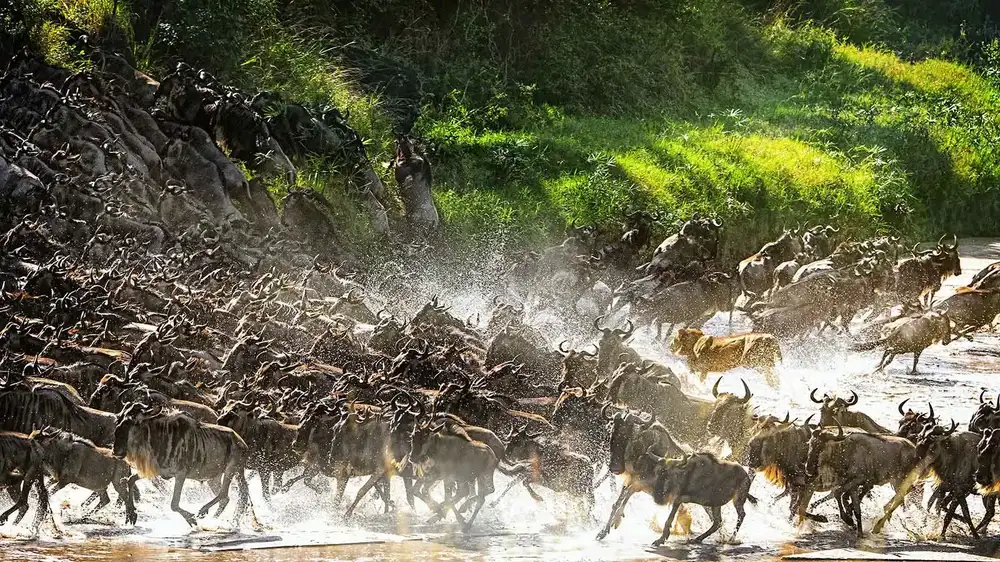
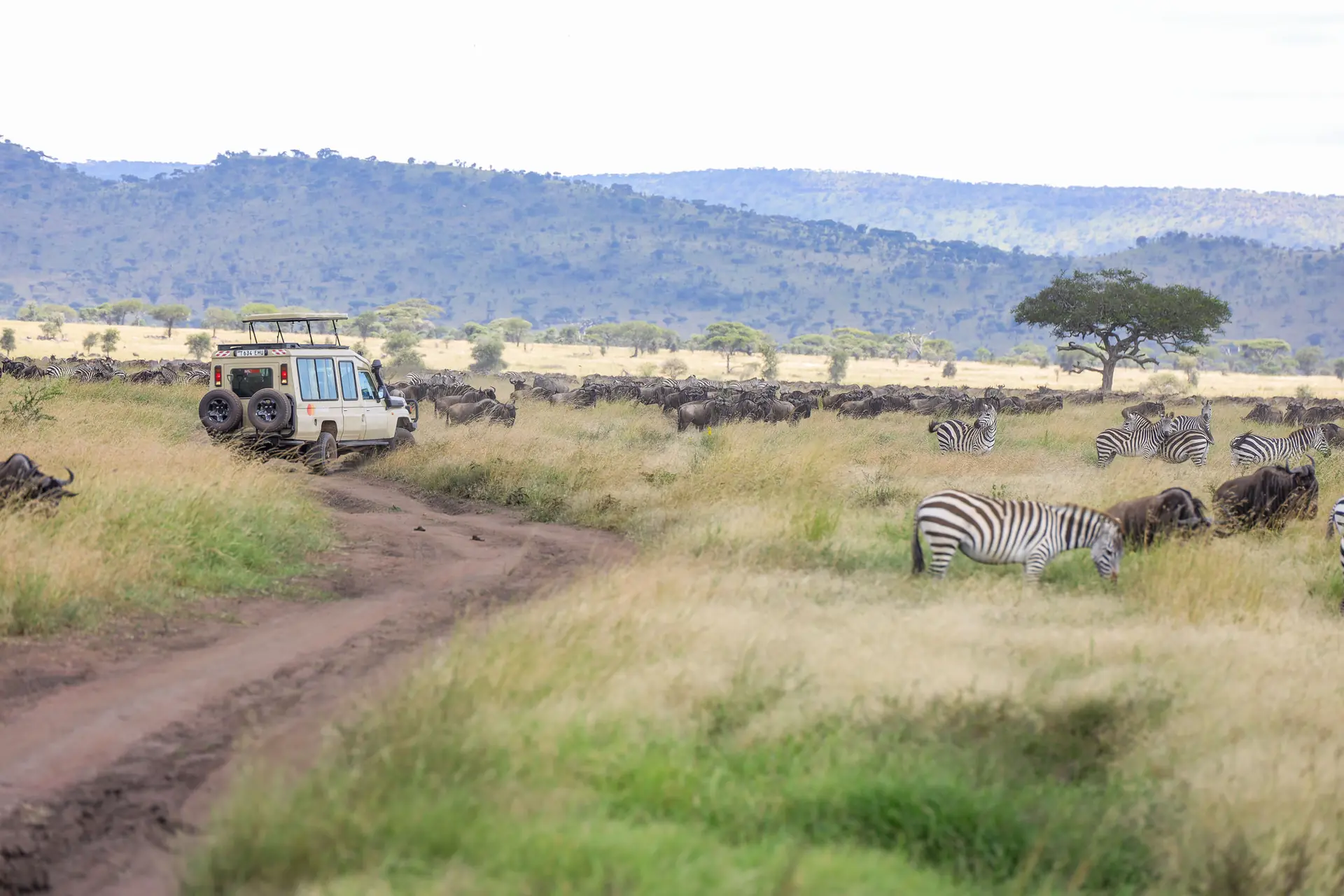
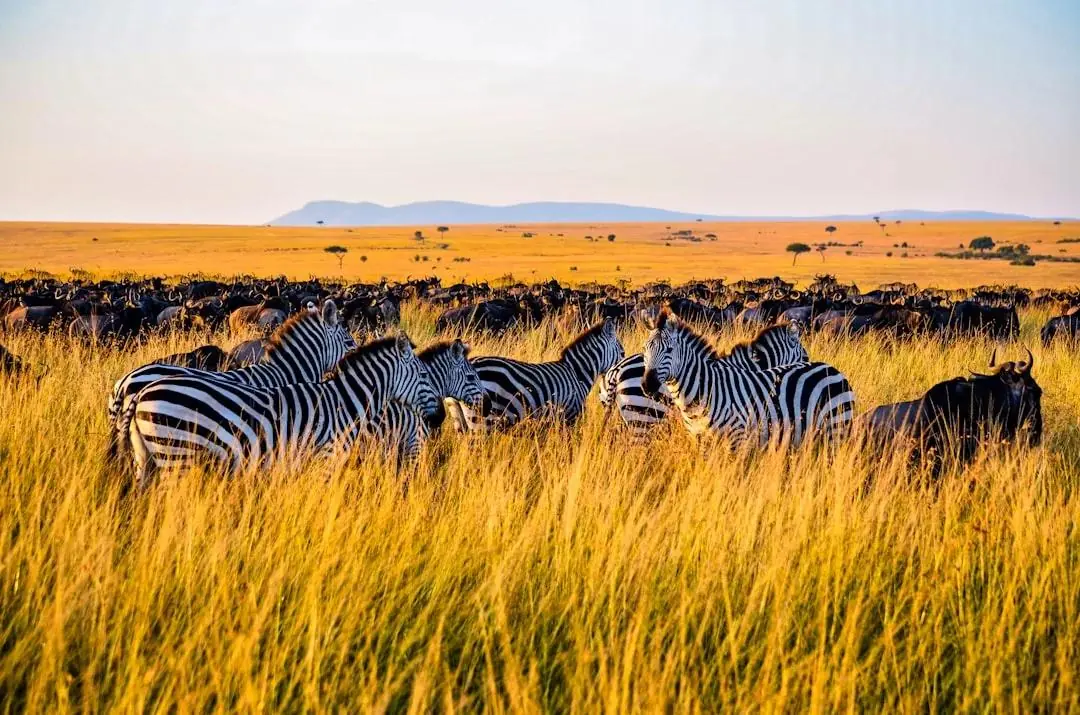
Mehr als eine Million Gnus folgen zusammen mit Zebras und Gazellen den Regenfällen auf einer ungefähr kreisförmigen Route durch die Serengeti und Kenias Maasai Mara. Wo sie sich aufhalten, hängt von der Jahreszeit ab.

Die Kalbungszeit liegt meist von Januar bis März in den südlichen Ebenen rund um Ndutu. Flussüberquerungen im Norden, bei Kogatende und am Mara-Fluss, sieht man meist zwischen Juli und Oktober. Die Herden wandern, deshalb planen wir nach dem wahrscheinlichen Aufenthaltsort und bestätigen ihn kurz vor Ihrem Reisetermin.

KeniaTansaniaMara RiverGrumeti RiverLake VictoriaSERENGETILake NatronOl Doinyo LengaiLake EyasiMaswaLoliondoNMasai MaraKogatendeWestern CorridorSeroneraMoru KopjesNdutuLoboNgorongoro Crater

Die Große Migration erleben

Jan

Kalbzeit in den südlichen Ebenen

Rund um Ndutu und in der südlichen Serengeti sammeln sich die Herden auf den Kurzgrasebenen; die Kälber kommen meist von Januar bis März zur Welt.

Nur ein typisches Muster. Die Herden folgen dem Regen, daher ändert sich der Zeitpunkt jedes Jahr. Illustrative Karte, nicht zur Navigation geeignet.

Beste Reisezeit

Die Serengeti kann das ganze Jahr über besucht werden. Die Trockenzeit von Juni bis Oktober ist die einfachste Zeit für allgemeine Tierbeobachtung. Januar bis März eignet sich für die Kalbungszeit im Süden, Juli bis Oktober für die Flussüberquerungen im Norden. Die großen Regenfälle im April und Mai bedeuten grünere Landschaft, weniger Fahrzeuge und niedrigere Unterkunftspreise.

Wo Sie übernachten

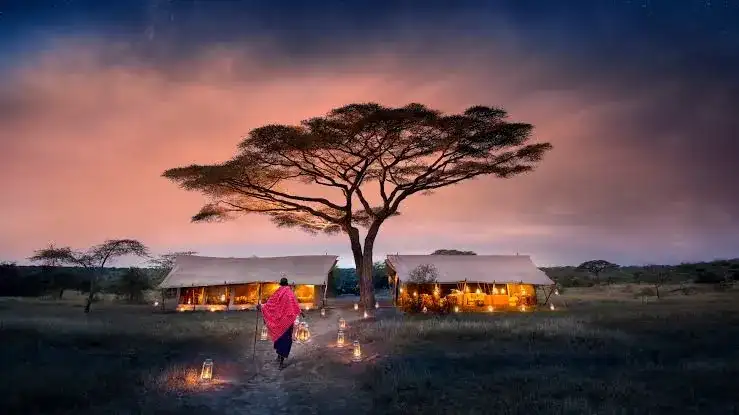
Zur Wahl stehen Lodges, feste Zeltcamps und mobile Camps. Wer dort übernachtet, wo sich die Herden aufhalten, spart lange Fahrten. Das richtige Camp hängt daher von Ihren Reisedaten ab.

Alle Unterkünfte ansehen

Aktivitäten

  1. Pirschfahrten bei Sonnenaufgang und am späten Nachmittag
  2. Der Großen Migration folgen
  3. Heißluftballonfahrt im Morgengrauen (optional)
  4. Bush-Frühstück oder Bush-Dinner
  5. Besuch der Olduvai-Schlucht auf der Hin- oder Rückfahrt

Anreise

Auf der Straße ab Arusha dauert die Fahrt einen ganzen Tag, meist verbunden mit Tarangire, Manyara-See oder Ngorongoro unterwegs. Fliegen geht schneller: Linien- und Charterflüge landen auf Landebahnen im ganzen Park, was für Reisende mit wenig Zeit passt.
Empfohlene Safaridauer

Mindestens drei Nächte; mit vier bis fünf Nächten können Sie mehr als ein Gebiet abdecken.

Reiserouten mit Halt in Serengeti-Nationalpark

Häufig gestellte Fragen

Ist die Große Migration ein einzelnes Ereignis?

Nein. Sie ist eine ganzjährige Bewegung der Herden mit unterschiedlichen Höhepunkten in verschiedenen Monaten: Kalbung im Süden, der westliche Korridor und Flussüberquerungen im Norden.

Kann ich in der Serengeti die Big Five sehen?

Löwe, Leopard, Elefant und Büffel sieht man regelmäßig. Spitzmaulnashörner sind selten und werden meist im Ngorongoro-Krater gesehen.

Angebot anfragen

Erzählen Sie uns, was Sie vorhaben, und wir antworten mit ehrlicher Beratung und einem individuellen Angebot.

1 Ihre Angaben
2 Ihre Reise
3 Besondere Wünsche

* Pflichtfeld

Alle Reiseziele

Weitere Details

Dieser Text ist nur auf Englisch verfügbar.

Serengeti: A Maasai word means that “An endless plain or where the land proceeds onward for eternity”

Serengeti National Park, an incomprehensible and lovely field of 14,763 square kilometers, is maybe the world’s most well-known untamed life asylum. A World Heritage Site and Biosphere Reserve, the Serengeti bolsters the biggest convergence of field diversion on the planet. Notwithstanding viewing the inconceivable parade of practically more than two million wildebeest and zebra that happens every year from early December in the South piece of the Serengeti (Ndutu Area) consistently, many individuals additionally visit the Serengeti to look for enormous felines.

Facts about Serengeti National Park

The Safari to Tanzania would be and in fact, it is incomplete without going to the Serengeti National Park . This is one of a kind sanctuary on the planet and one of the World Heritage Sites since 1972. With an area of 14,763 sq. km. the Park has numerous beautiful components: Grassland Savannah fields, wild, kopjes, more than 500 types of winged animals, etc. By the by, the most outstanding element is its fauna. It contains the best residual grouping of fields game in Africa and on a scale that has no equals on the planet.

The park is the second largest park after Ruaha National Park and obviously the best park in Tanzania and East Africa . Extensive crowds of wild ox, gatherings of elephants and giraffes, and numerous countable quantities of topi, eland, impala, kongoni, give’s gazelle are accessible for seeing whenever of the year. The three major felines (Lions. Panthers and Cheetahs can likewise be seen. As normal lions are frequently discovered murdering something, if not an impala, it is a wildebeest or a zebra, and so forth. Cheetahs are extremely normal on the southeastern fields, while panthers can regularly be discovered resting lethargically in one of the vast trees close to Seronera River.

The Great Wildebeest Migration

The Serengeti National Park is notable for its yearly wildebeest movement when more than 2 million wildebeest joined by around 500,000 Thomson gazelles and around 200,000 zebras cross the Mara River yearning for new waters and fields.

Size And Location

  • The coverage area of 14,763 square kilometers
  • Located in Northern Tanzania at the following coordinates: 2.1540° S, 34.6857° E

Getting There

The best option to get there is to fly into Kilimanjaro International Airport (JRO) which is situated about 50km from Arusha. It is also possible to fly into Julius Nyerere International Airport (DAR), just outside of Dar es Salaam, and use a domestic flight to get to Arusha Airport (ARK). You can also opt to fly to Nairobi in Kenya at Jomo Kenyatta International Airport, NBO Wilson Airport, or Moi Air Base and take a shuttle transfer to Arusha about 300KM

From Arusha by road or scheduled flight to Serengeti.

What To Do

Game review, Cultural visits, picnicking and outdoors, shrubbery lunch/supper, expand safaris,

When To Go

The recreation center offers great natural life seeing consistently. June to October is the greatest month for seeing the movement including Mara River Crossing and February is the greatest month for the wildebeest calving. The dry season begins in June and ends in January every year and these months are best for broad game review.

Accommodation

  • Four Seasons Safari Lodge Serengeti, a 5-star hotel
  • Serengeti Serena Safari Lodge
  • Serengeti Sopa Lodge
  • Mapito Tented Camp
  • Ikoma Tented Camp

Serengeti-Nationalpark

Serengeti National Park is undoubtedly the best-known wildlife sanctuary in the world, unequalled for its natural beauty and scientific value, it has the greatest concentration of plains game in Africa

Serengeti Wildebeests Migration Map

The Serengeti National Park in Tanzania was established in 1952. It is home to the greatest wildlife spectacle on earth – the great migration of wildebeest and zebra. The resident population of lion, cheetah, elephant, giraffe, and birds is also impressive. There’s a wide variety of accommodation available, from luxury lodges to mobile camps. The park covers 5,700 sq miles, (14,763 sq km), it’s larger than Connecticut, with at most a couple hundred vehicles driving around.

The Park can be divided into 3 sections. The popular southern/central part (Seronera Valley), is what the Maasai called the “serengit”, the land of endless plains. It’s classic savannah, dotted with acacias and filled with wildlife. The western corridor is marked by the Grumeti River, and has more forests and dense bush. The north, Lobo area, meets up with Kenya’s Masai Mara Reserve, is the least visited section.

Two World Heritage Sites and two Biosphere Reserves have been established within the 30,000 km² region. It’s unique ecosystem has inspired writers from Ernest Hemingway to Peter Mattheissen, filmakers like Hugo von Lawick and Alan Root as well as numerous photographers and scientists

The Serengeti ecosystem is one of the oldest on earth. The essential features of climate, vegetation and fauna have barely changed in the past million years. Early man himself made an appearance in Olduvai Gorge about two million years ago. Some patterns of life, death, adaptation and migration are as old as the hills themselves.

It is the migration for which Serengeti is perhaps most famous. Over a million wildebeest and about 200,000 zebras flow south from the northern hills to the southern plains for the short rains every October and November, and then swirl west and north after the long rains in April, May and June. So strong is the ancient instinct to move that no drought, gorge or crocodile infested river can hold them back.

The Wildebeest travel through a variety of parks, reserves and protected areas and through a variety of habitat. Join us to explore the different forms of vegetation and landscapes of the Serengeti ecosystem and meet some of their most fascinating inhabitants.